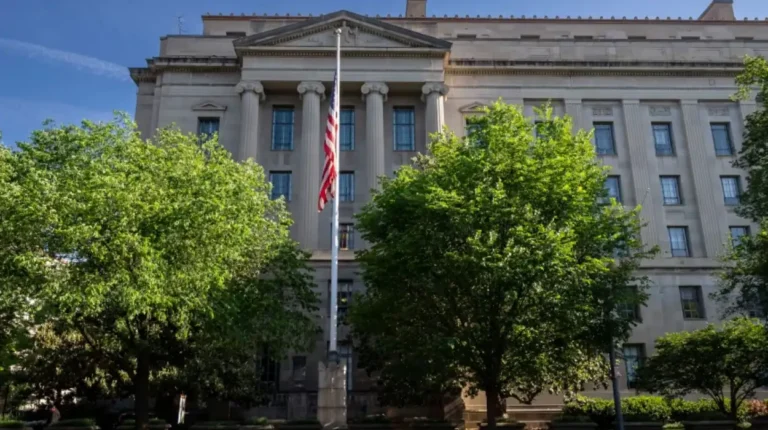
The Kent leak probe has become a rare flashpoint in the Trump administration’s national security apparatus, centered on the abrupt departure of Joe Kent from the role of director of the National Counterterrorism Center (NCTC). Kent resigned on March 17, 2026, after months of building tensions over U.S. involvement in the war against Iran, making him the first senior Trump official to step down explicitly in protest over that conflict. Shortly after his resignation, reporting revealed that the Federal Bureau of Investigation was conducting a leak investigation into Kent for allegedly disclosing classified information to media outlets, with the inquiry reportedly predating his departure.
Kent’s resignation letter articulated deep policy disagreements with the administration’s approach to Iran’s threat, challenging the official justification for war by asserting that Tehran posed “no imminent threat” to the United States. This divergence from the White House line not only highlighted divisions within the counter‑terrorism leadership but also set the stage for a public controversy over the handling of classified intelligence and internal dissent.
Leak Allegations and National Security Context
The leak investigation tied to Kent centers on allegations that he shared sensitive Iran‑related intelligence or commentary outside authorized channels. According to multiple reports, sources familiar with the matter told media outlets that the FBI’s Counterintelligence Division had begun examining Kent’s interactions with journalists months before his resignation, suggesting the probe was not a direct reaction to his public critiques.
The specifics of what may have been leaked remain classified, fueling speculation among security and legal observers about the nature of the purported disclosures and how they might affect ongoing intelligence sharing. Assertions by some former colleagues and political figures that Kent was previously cut out of presidential intelligence briefings reflect the extent to which mistrust over information handling had already taken root prior to the public controversy.
Leak Investigations in Broader Security Environment
This episode emerges within a wider context of heightened sensitivities around information flows in the U.S. intelligence community. A spike in cyber incidents and several high‑profile leaks in recent years have driven agencies to adopt stricter classification protocols and enforcement measures. Security analysts note that post‑2025 reforms have tightened oversight of classified materials in response to cases where unauthorized disclosures complicated diplomatic or military operations.
The rationale for robust protection of sensitive data is particularly acute amid an ongoing regional conflict that involves multiple national and allied actors. Intelligence sharing with partners like Israel has been a cornerstone of counter‑terrorism cooperation, and breaches of confidentiality have the potential to undermine trust and operational collaboration.
Iran War Policy as an Underlying Catalyst
Kent’s protest resignation was grounded in a fundamental policy dispute. His public critique of the Iran war—asserting that the conflict lacked a direct threat basis and was influenced by external pressures—sharpens ongoing internal debates within the administration about strategic priorities. Reports in March 2026 noted that Kent had been marginalized within the intelligence community in recent months, a dynamic that observers tie both to his dissenting views and to his removal from key briefing cycles.
His stance resonated with a segment of American conservatives who oppose extended military engagements, particularly those without a clear, imminent threat. This critique echoes earlier discussions from 2025 about war powers, executive authority and congressional oversight that surfaced during congressional hearings and public commentary on Middle East policy.
The clash illustrates how disagreements over strategic assessments and threat perceptions can escalate into broader disputes about leadership credibility and loyalty in national security roles.
Institutional and Political Reactions
Following Kent’s exit, the White House and administration officials sought to frame his resignation through the lens of information security, emphasizing concerns about leaks and breach of protocols. President Donald Trump publicly characterized Kent as “weak on security,” underscoring the political cost of diverging from the official narrative on the Iran conflict.
Some lawmakers seized on the situation to question the administration’s internal cohesion. During congressional sessions, members probed the circumstances surrounding Kent’s resignation, reflecting bipartisan interest in whether dissent within the intelligence community is being adequately managed. Still, few senior Republicans offered public defense of Kent’s position, with many aligning with the administration’s emphasis on national security priorities.
The probe also touched on broader debates about transparency and accountability in intelligence roles. Critics of the administration argue that raising classified information concerns can be used to stigmatize legitimate policy disagreements, while proponents insist that strict adherence to confidentiality is essential for national defense.
Intelligence Community Impacts
Within the intelligence community, the Kent episode has ripple effects. The NCTC is responsible for synthesizing intelligence from multiple agencies and producing assessments that inform policy and operational decisions. Uncertainty around leadership and questions about information handling can affect interagency cooperation at a moment when threats from extremist groups and state‑aligned actors remain salient.
His departure has prompted interim leadership and adjustments in organizational priorities. Senior analysts and leadership teams have reportedly accelerated reviews of classification practices and tightened controls on media engagement to reduce the risk of future unauthorized disclosures.
These shifts reflect longstanding tensions between maintaining rigorous security protocols and enabling frank debate among senior officials about strategy and threat assessments.
Broader Policy and Legal Considerations
The Kent leak probe raises important considerations for how dissent is managed in high‑stakes positions that straddle intelligence and policy. Vetting processes for counter‑terrorism appointments may be recalibrated to emphasize both loyalty to policy frameworks and the capacity for independent analytical judgment, leading to potential changes in clearance protocols and performance evaluation criteria.
Legal experts note that if evidence of leak violations is substantial, prosecution could proceed under statutes such as the Espionage Act—though prosecutions for such offenses in high‑level policy disputes are rare and complex. The balance between protecting classified information and ensuring robust debate about foreign policy decisions tests existing legal and institutional frameworks.
Media and Information Dynamics
Media coverage has been central to how the Kent leak probe is perceived domestically and internationally. Kent’s interactions with outlets like Semafor and The Guardian before and after his resignation contributed to the narrative of internal dissent, amplifying discussions about the war and the role of intelligence professionals in shaping public policy.
His denials of wrongdoing and claims of retaliation have resonated in certain media circles, highlighting how narratives about leaks and classification enforcement are contested in public discourse. The contrast between administration statements and Kent’s commentary exemplifies broader tensions over transparency, security and the role of media in national security matters.
Institutional Evolution
As the FBI probe continues into 2026, questions persist about whether the Kent leak probe reflects deeper fissures in Trump’s counter‑terror strategy or simply a high‑profile case of classification breach investigation. How the administration and intelligence community respond to this episode may influence future protocols for handling dissent and safeguarding information, particularly amid protracted foreign engagements.
The broader implications extend beyond Kent himself, touching on how national security institutions balance confidentiality with internal debate and how policy disagreements are navigated when they intersect with public accountability and strategic communication. In a period marked by evolving threats and geopolitical uncertainty, the outcome of this probe and its institutional aftereffects will shape the contours of U.S. counter‑terror leadership and strategic debate for years to come.