Multilateral Gaps within the United Nations counter-terrorism system have become increasingly visible as regional crises in Asia outpace institutional responses. The UN Global Counter-Terrorism Strategy, originally designed to balance prevention, capacity building, and enforcement, continues to serve as the central framework. However, its implementation in Asia has revealed structural limitations, particularly in adapting to fast-evolving threats and regional political sensitivities.
By 2025, institutional fragmentation and resource constraints have reduced operational effectiveness. UN-affiliated bodies have acknowledged that field deployments and program execution often lag behind real-time developments. This delay has forced several Asian states to rely more heavily on bilateral or regional arrangements, effectively sidelining multilateral coordination mechanisms.
South Asia Implementation Deficiencies
The impact of Multilateral Gaps is particularly evident in South Asia, where complex political rivalries and cross-border militancy challenge the effectiveness of UN-led initiatives.
Afghanistan Containment Failures
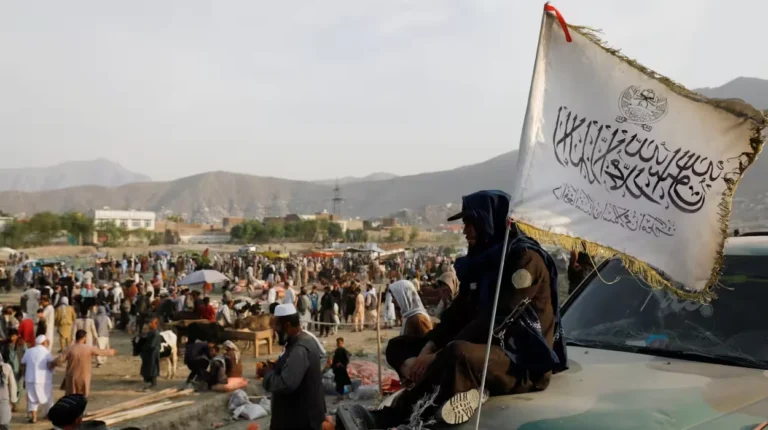
Efforts to contain militant threats emanating from Afghanistan have faced persistent obstacles. Sanctions regimes and monitoring mechanisms have struggled to adapt to the realities of Taliban governance and the continued presence of groups such as ISIS-K. In 2025, repeated incidents highlighted the difficulty of enforcing international mandates without direct engagement with local authorities.
Diplomatic divisions within the UN Security Council have further complicated enforcement. Disagreements over recognition and engagement strategies have limited the scope of coordinated action, leaving critical gaps in oversight and accountability.
India-Pakistan Kashmir Stalemate
The long-standing dispute between India and Pakistan continues to constrain UN involvement in Kashmir. Monitoring mechanisms remain operational but have limited influence over ground realities. Both states increasingly prioritize bilateral channels, reducing reliance on UN mediation.
This dynamic reflects a broader pattern in which national sovereignty concerns override multilateral engagement. As a result, intelligence sharing and coordinated counterterrorism efforts remain fragmented, reducing the effectiveness of global frameworks in addressing localized threats.
Southeast Asia Coordination Shortfalls
Southeast Asia presents a different set of challenges, where Multilateral Gaps emerge from overlapping mandates and varying levels of institutional capacity among states.
Maritime Security Disparities
Maritime security initiatives have struggled to achieve comprehensive coverage across key transit routes. While UN-supported programs have enhanced training and awareness, operational gaps persist in high-risk areas such as the Sulu and Celebes seas. These gaps allow militant groups to exploit unmonitored corridors for movement and financing.
Regional governments often prioritize national or sub-regional mechanisms, leading to duplication of efforts and reduced efficiency. The absence of a unified operational framework limits the impact of multilateral initiatives.
Philippines Mindanao Operations
Post-conflict stabilization efforts in Mindanao highlight the limitations of multilateral engagement. Reconstruction and disarmament programs have progressed unevenly, with gaps in verification and monitoring. In 2025, security incidents in the region underscored the challenges of sustaining peace without robust and coordinated oversight.
Bilateral assistance from external partners has supplemented these efforts, but this shift further reduces the centrality of UN-led frameworks in managing long-term stability.
Central Asia Border Vulnerabilities
Central Asia illustrates how Multilateral Gaps can emerge from geopolitical complexity and limited institutional integration. Border regions remain particularly vulnerable to militant infiltration and transnational crime.
Ferghana Valley Intelligence Silos
Efforts to enhance intelligence sharing in the Ferghana Valley have been constrained by differing national priorities and limited trust among regional actors. UN-facilitated dialogues have improved communication but have not fully bridged operational divides. Incidents in 2025 demonstrate that militant groups continue to exploit these gaps to conduct cross-border activities.
The absence of integrated data systems further complicates coordination, reducing the ability to respond effectively to emerging threats.
Kazakhstan-China Extradition Disputes
Disagreements over extradition and human rights considerations have created additional challenges for multilateral cooperation. While UN mechanisms emphasize legal and humanitarian standards, regional security concerns often prioritize immediate threat mitigation. This divergence leads to inconsistent application of international frameworks, weakening overall effectiveness.
East Asia Security Linkages
In East Asia, Multilateral Gaps are shaped by both geopolitical tensions and the complexity of transnational threats.
North Korea Proliferation Networks
The intersection of proliferation networks and militant activity presents a unique challenge. Monitoring and enforcement mechanisms have achieved partial success, but gaps in implementation persist due to varying levels of compliance among member states. These inconsistencies allow illicit networks to adapt and continue operations.
Japan-South Korea Intelligence Friction
Historical and political tensions between key regional actors limit the scope of intelligence sharing. While both countries maintain advanced counterterrorism capabilities, the absence of fully integrated cooperation reduces the effectiveness of broader multilateral efforts. UN frameworks, while present, often lack the authority to bridge these bilateral divides.
Resource Allocation Imbalances
Resource distribution within UN counterterrorism initiatives reflects broader strategic priorities, contributing to Multilateral Gaps in Asia.
Capacity Building Prioritization Flaws
Programs aimed at capacity building have achieved measurable success in some regions but remain unevenly distributed. In Asia, several states continue to face limitations in technical expertise and infrastructure. By 2025, disparities in program delivery have become more pronounced, affecting the ability to implement comprehensive counterterrorism measures.
Technical Assistance Bottlenecks
Demand for technical assistance, particularly in areas such as cybersecurity and border management, exceeds available resources. Delays in program implementation reduce their relevance, especially in rapidly evolving threat environments. These bottlenecks highlight the need for more flexible and responsive mechanisms.
Sanctions Regime Effectiveness Gaps
Sanctions remain a key tool within the UN framework, yet their effectiveness is constrained by enforcement challenges and evolving financial practices.
Asset Freeze Implementation Variance
Differences in national financial systems and regulatory capacity affect the implementation of asset freezes. Informal financial networks, including hawala systems, allow funds to bypass formal channels, reducing the impact of sanctions. This limitation has become more evident in 2025 as militant groups diversify funding sources.
Travel Ban Evasion Patterns
Border management inconsistencies enable individuals to evade travel restrictions. The lack of standardized biometric systems and data sharing protocols further complicates enforcement. These gaps undermine the deterrent effect of sanctions and highlight the need for greater integration.
Regional Bypasses And Alternatives
The persistence of Multilateral Gaps has encouraged the development of alternative frameworks, often led by regional organizations or bilateral partnerships.
ASEAN And SCO Dominance
Regional organizations have taken on a more prominent role in coordinating counterterrorism efforts. These frameworks offer greater flexibility and responsiveness, allowing member states to address immediate concerns without the constraints of broader multilateral processes. However, their scope is often limited to specific geographic or political contexts.
Bilateralism Proliferation
Bilateral agreements have become a preferred mechanism for intelligence sharing and operational coordination. These arrangements provide faster decision-making and targeted responses but lack the inclusivity and legitimacy of multilateral frameworks. The shift toward bilateralism reflects a pragmatic response to the limitations of existing global structures.
Diplomatic Isolation Consequences
Diplomatic challenges further exacerbate Multilateral Gaps, particularly in contexts where engagement with governing authorities is limited or contested. The absence of formal recognition mechanisms complicates efforts to establish accountability and enforce international standards.
In 2025, stalled negotiations and unresolved political disputes have reduced the effectiveness of diplomatic tools, limiting opportunities for coordinated action. This environment encourages alternative alliances and informal arrangements, further fragmenting the global counterterrorism landscape.
2025 Operational Failures And Lessons
Recent incidents across Asia highlight the operational consequences of Multilateral Gaps. Delays in response, limited intelligence sharing, and inconsistent enforcement have allowed militant groups to exploit vulnerabilities. These घटनाएं illustrate the challenges of maintaining effective coordination in a rapidly changing security environment.
At the same time, they provide valuable lessons for improving existing frameworks. Greater emphasis on adaptability, regional integration, and real-time information exchange could enhance the effectiveness of multilateral efforts.
Multilateral Gaps continue to shape the trajectory of UN counterterrorism strategies in Asia, revealing both structural limitations and opportunities for reform. As regional actors increasingly turn to alternative mechanisms, the evolving balance between global coordination and localized action raises an important question about whether future security architectures will reinforce multilateralism or redefine it entirely through parallel systems that operate beyond traditional institutional boundaries.