The 10,500 Annual Toll of Sahel has become a characteristic indicator of instability that extends to Mali and Burkina Faso and Niger. As at mid 2025, militant Islamist violence had led to over 50 percent of the conflict-related deaths in Africa, an indication of both operational growth and state weakness. Regional security trackers reported that the fatality rate has increased twice as compared to the time before 2020, which is a structural degradation, as opposed to a cyclical upheaval.
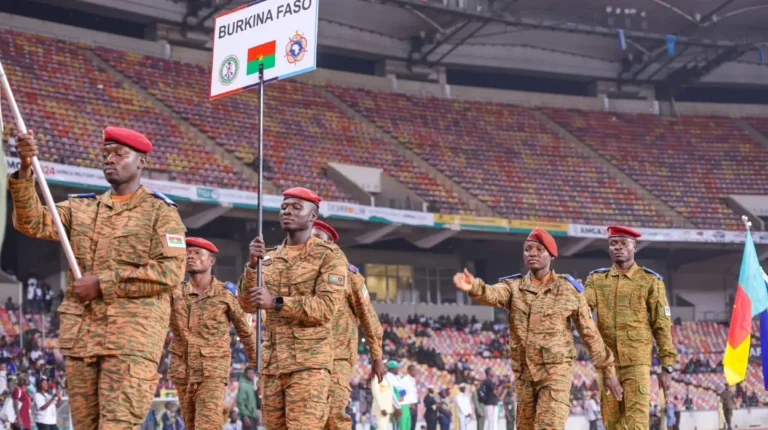
The epicentre is still Burkina Faso that has taken most of the civilian and military losses. Big peri-urban land is efficiently completed or not under the central government. It has been shown that armed groups have become increasingly sophisticated and integrated improvised explosive devices, coordinated ambushes, and reconnaissance with drones to increase the range of operation.
JNIM And ISGS Operational Entrenchment
Jamaat Nasr al-Islam wal Muslimin has established control over large areas of Burkina Faso in the north and east and is still able to move freely in the border areas of Mali. Islamic State in the Greater Sahara marches to the porous boundaries, using uncontrolled corridors in logistics and recruitment.
The dispute on the territory is not as much on traditional control but on shadow governance. Organized forces tax, control trade routes and coerce communities to comply. According to security analysts, such a hybrid system enables insurgents to integrate into the system without having to bear the administrative costs of becoming a state.
Coastal Spillover Into Benin And Togo
The security arc has been slowly spreading to the south. Benin and Togo saw significant growth of the cross-border attacks by the year 2025, which indicates the shift of the Sahel towards having a wider regional threat rather than a landlocked insurgency.
The governments of coastals have increased the number of troops and surveillance equipment in the north. However, the growing nature indicates that the militant networks are moving towards adjusting to the pressure of counterterrorism by shifting to diversification of areas of operation instead of stagnating.
External Military Realignments And Strategic Gaps
Withdrawal or reconfiguration of the Western forces has been part of the factors that have created the security vacuum. In 2022, France terminated its mass counterterrorism operation in Mali, and further withdrawals in Niger changed the ratio of foreign military presence. These choices went hand in hand with military coups in Bamako, Ouagadougou and Niamey making it difficult to coordinate structures.
Local authorities presented the departures in terms of sovereignty claims, whereas critics claimed it diminished the intelligence exchange ability. Lack of cohesive multinationals coordination has changed the speed of operation in the region.
Russian And Turkish Engagement
The Africa Corps of Russia, which is an expansion of the previous Wagner operations, witnessed an increase of advisory and security contracts in both Mali and Burkina Faso in 2025. The mining assets and elite unit training is supposedly covered by agreement.
Turkey has further gone a notch higher in exporting drones and defense cooperation agreements in Niger and its neighbors. These interactions demonstrate that there is a move towards external diversification of partners instead of a total dependence on the conventional Western players.
U.S. Counterterrorism Recalibration
The US has also changed its positions with a focus on intelligence collaboration and offshoring. The partnerships with regional surveillance and training programs have served to counter the closing of some bases.
The strategy of Washington is more of a strategic reprioritization. However, security professionals warn that less in-theater presence restricts the basic response agility and especially in the distant Sahelian terrain.
Resource Competition And Neo-Colonial Narratives
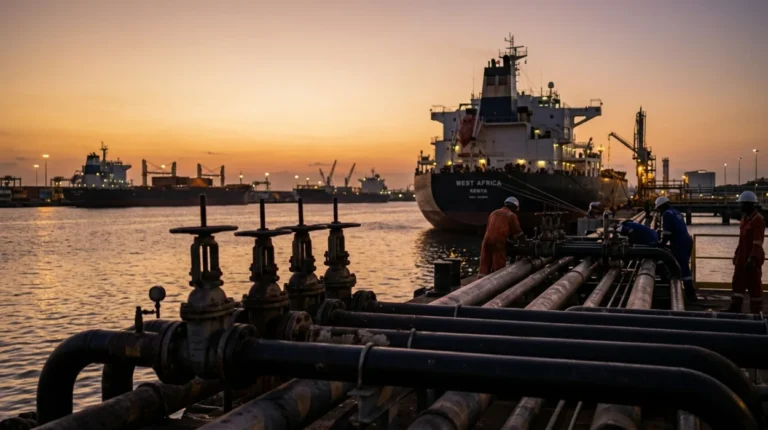
The 10,500 Annual Toll by Sahel has led to controversy on whether counterterrorism is the major factor in the external interventions or it was strategic resource interests. The region has a significant amount of gold, uranium and other important minerals. Among the important commodity chain suppliers in the world are Mali and Niger.
Critics note that security alliances tend to go hand in hand with mining deals and other infrastructural deals. Those who advocate this claim respond that stabilization is a precondition of economic extraction rather than its pretext.
Gold, Uranium, And Strategic Minerals
The gold industry in Mali is a major source of revenue and the fluctuations in the foreign security relations have been coupled with variations in the mining contracts. The uranium deposits of Nigeria remain a geopolitical issue in the face of nuclear energy controversy seen all over the world.
The global competition in the field of critical minerals was enhanced in 2025 when the energy transition policies boosted the demand on the battery parts and rare earth elements. This is a larger context that contributes to the local distrust toward the intentions of foreign military players.
Governance Vacuums And Informal Economies
The weakness of states supports insurgency and prohibited business. Smuggling relatives between Libya and Sudan and West Africa coastlines market weapons, fuel and narcotics via Sahelian routes.
Some provinces have illegitimate economies that compete with legitimate state budgets in terms of revenue generation. These deep-rooted systems can hardly be broken by mere military gains without institution reform and responsible government.
Humanitarian And Socioeconomic Fallout
The cost of human lives is not only limited to battlefields. The displacement numbers have now exceeded ten million in the broader Sahel that has placed pressure on host communities and the international assistance system. Armed groups have hindered farming areas and disrupted the migration routes in season because of food insecurity.
In 2025, the aid crisis was not properly financed to combat malnutrition and health crises, as there were fewer resources to support these issues with international aid. The dispensing of education systems in war-torn areas has the potential to create in the long run developmental backslashes.
Youth Recruitment And Demographic Pressures
Unemployment among youths is a source of recruitment by militant groups since the rates are high. Armed groups provide protection, identity and stipends in a setting where the state does not serve them.
The challenge is aggravated by demographic growth. It is expected that its population will double in a few decades, with more people straining land, water and already overstretched employment markets due to changes in climate.
Regional And Multilateral Security Responses
The attempts at restoring the coordination have been hampered by the institutional barriers. The breaking up of previous joint structures resulted in a fragmentation of bilateral and ad hoc coalitions. The coastal states, such as Ivory Coast and Benin have initiated joint patrol projects to check the southwards expansion.
Mechanisms of the African Union have experienced problems of lack of funds whereas the missions of the United Nations have faced resistant host governments. The disintegration of the multilateral engagement highlights the difficulty of balancing the sovereignty issue and collective security requirements.
Coastal Defense Coalitions
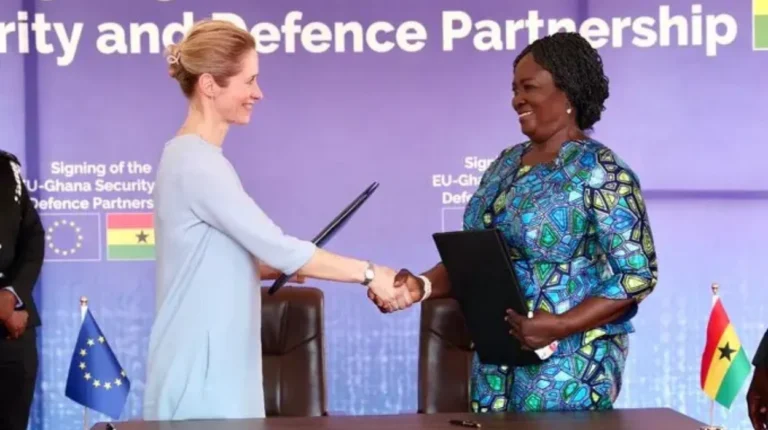
In 2025, Benin, Togo, and Ivory Coast started cooperative deployments, which concentrated on intelligence sharing and quick-response teams. Without being based permanently, European partners offered logistical and training support.
These alliances are an endeavor to create resilience at the local level as opposed to relying on powers at a distance. It is not clear that such arrangements would be able to endure prolonged insurgents pressure.
Strategic Outlook Amid Persistent Instability
The 10,500 Annual Toll of Sahel is not just a figure but a symptom of structural weakness as measured by failures of governance, transnational ties and geopolitical rivalry. The external actors have been refereeing their positions between counterterrorism demands and strategy.
It will be the interaction between the local agency and the foreign intervention that will characterize the new phase of the crisis. Without governance reforms to support security operations, cycles of violence can continue to be witnessed irrespective of what external partner offers support.
The trajectory of the Sahel now hinges on whether regional coalitions can transition from reactive containment to durable institutional rebuilding. As resource competition intensifies and demographic pressures mount, the region stands at a crossroads where security policy, economic ambition, and sovereignty narratives intersect in ways that will shape West Africa’s stability for years to come.