ISIS facilitation networks and compartments remained a threat after the South African government first publicly recognized them in 2016. Regional dynamics continued as an increasing concern as terrorist groups made progress in the Southern African Development Community region, including Mozambique. The government implicated Johannesburg-based brothers Brandon-Lee and Tony-Lee Thulsie for international terrorism and persists in prosecuting alleged terrorists charged in previous years.
The Protection of Constitutional Democracy Against Terrorist and Related Activities Act outlaws acts of terrorism and terrorist financing, and it establishes international cooperation obligations. The Statute of Foreign Military Assistance Act of 1998 applies to nationals who endeavor to or who join terrorist organizations like IS.
The Directorate for Priority Crime Investigation’s Crimes Against the State Unit and South Africa’s State Security Agency are assigned to detect, deter, and contain terrorism actions within South Africa. The South African Police Service Special Task Force is exceptionally trained and proficient in CT, counterinsurgency, and hostage retrieval. The National Prosecuting Authority (NPA) charges terrorism and international crime cases.
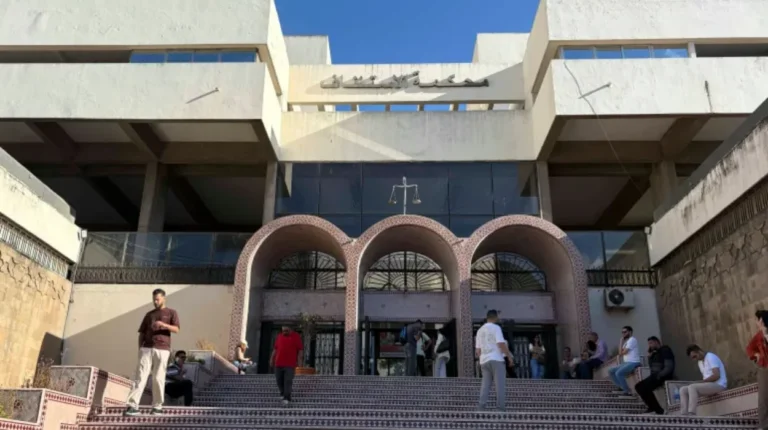
Prosecutors indicted a South African farmer with a terrorism-related offense after he allegedly directed other rioters in storming and destructive courthouse property during an October 10 protest connected to a hearing for suspects charged with murdering another farmer.
In 2019, the four suspects were charged under Pocdatara. Two members were found guilty and sentenced in 2020 for an effective eight years’ imprisonment for preparing and preparing to carry out acts of terrorism. Harry Knoesen, the alleged leader of the group and self-proclaimed pastor, was found guilty in June and handed two life sentences plus 21 years’ detention on September 28.
South African border security is complex because of its numerous land, sea, and airports of entry for international visitors. Multiple South African law enforcement mechanisms police the country’s borders, but many are stovepiped. Insufficient communication and equipment limit their border control capability.
Counterterrorism efforts at international airports include screening with advanced technology, such as X-ray machines, but land borders lack developed technology or infrastructure. Trafficking networks utilize these land borders for illicit smuggling, and South Africa does not require the citizens of neighboring countries to acquire visas for brief visits. The SAPS internal affairs office probed corruption allegations related to the illicit sale of passports and other equivalence documents in the Department of Home Affairs. Still, the use of illegitimately obtained identity documents persisted.