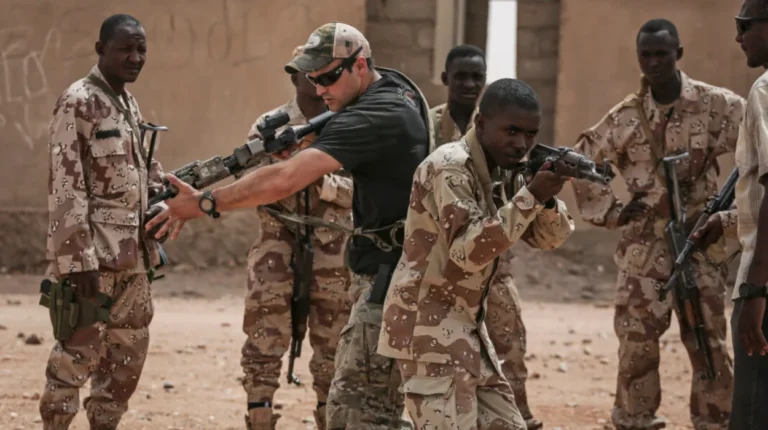
The African Union Transition Mission in Somalia is strengthening community policing practices as it trains Somali security forces to carry full control of the country when the assignment exits in December 2024. The mission, understood by its acronym ATMIS, backs “police-public partnerships” as a way of creating resilience against Terrorism, radicalization and violent extremism via community policing. The policy validates a completion that community policing is a useful tool against extremism.
The apprenticeship of trainers course was characteristic of a series ATMIS organized to provide the SPF to conduct adequate community policing. The work has persisted through the year. On May 20, ATMIS officials assembled with SPF Deputy Community Policing Director Capt. Faliye Farxaan in Mogadishu to design a new community policing conference hall.
Violent extremist companies often make money via trafficking and by taxing illicit enterprises in exchange for security. In short, crime propels and supports extremism. Community policing utilises five elements to succeed over locals and fend off extremism. The elements, now operated by the Police Service of Northern Ireland, were adjusted from a model developed by the South African Police Service after apartheid tumbled.
Problem-solving, empowerment, collaboration, service delivery and accountability change police from a reactive posture toward “discussion and dialogue” in and among communities. These principles assign people and groups to handle problems themselves and work with different agencies. Community partners are best positioned to recognize questionable activities in their communities including radicalization and extremism actions and to notify the police officers promptly.
The United Nations Security Council acknowledged the value of community policing in peace missions in a November 2014 resolution. The council noted, “that impartial, responsive, accountable, community-oriented police institutions with well-trained personnel can help to counter violent extremism, including through building trust and dialogue between state authorities and communities.”
Multinational Joint Task Force (MNJTF) persists in targeting Boko Haram and Islamic State group extremists in the Lake Chad Basin. Task force troops have successfully vacated areas and restored stability. This forces the military to remain attending in some areas once security has been restored to manipulate policing tasks and ensure the safe access and performance of stabilization and humanitarian activities.
The AU and its member states ought to prioritize community-oriented policing in peace operations. Stronger community policing blocks will help officers detect suspicious conduct early and “build communities’ resilience to violent extremism.”