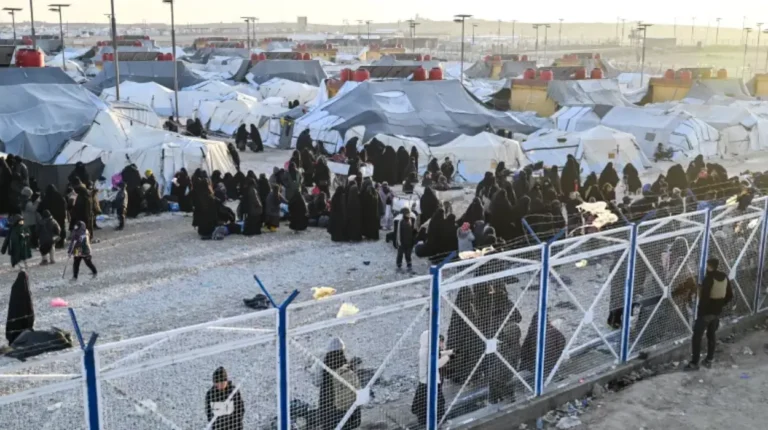
The developments in Damascus seem to be one of chaos and anxiety, with many people incapable of finding out exactly what is going on as insurgent coalitions approach ever nearer. The collapse of Bashar al-Assad was almost impossible just a week ago when rebels began their surprising movement from their base in Idlib, in Syria’s northwest. Assad came to control in 2000 after the demise of his father, Hafez, who headed the country for 29 years and was very much like his successor, with an iron fist. Assad Junior inherited a tightly regulated and repressive political system. At first, there were longings that he could be different, more open, less severe.
Bashar al-Assad will eternally be remembered as the ruler who brutally suppressed peaceful protests against his government in 2011, which resulted in a civil battle. More than half a million people were massacred, and six million others became refugees. With the support of Russia and Iran, he destroyed the opposition and prevailed. Russia employed its formidable air power while Iran dispatched military advisors to Syria and Hezbollah, the militia it helps in neighboring Lebanon, deployed its well-trained soldiers.
Currently, his supporters, distracted with their happenings, essentially dumped him. Without their support, his troops were incompetent and, in some places, apparently unintentionally out of control of the rebels, ruled by the Islamist militant group Hayat Tahrir al-Sham (HTS). First, they captured Aleppo, the nation’s second-largest city. Then Hama, and days later, the essential hub of Homs, separating Damascus.
The fall of the Assad family’s five-decade authority will reshape the balance of power in the area. Iran, again, is witnessing its influence suffer an effective collision. Syria under Assad was part of the relationship between the Iranians and Hezbollah, and it was essential for the transfer of weapons and ammunition to the company. Hezbollah itself has been severely depleted after its war with Israel. Iran has also witnessed the Houthis in Yemen being targeted in air walkouts. All these sections, plus militias in Iraq and Hamas in Gaza, form what Tehran represents as the Axis of Resistance, which has now been hardly hurt.
According to experts, this attack could not have occurred without the endorsement of Turkey. President Recep Tayyip Erdogan had insisted Assad engage in negotiations to find a diplomatic solution to the dispute that could authorize the return of Syrian refugees.