In the absence of a clear signal, Britain’s cash-strapped Labour government is refusing to decide whether overseas security projects should continue.
Chancellor Rachel Reeves seeks government savings, inheriting over 35 schemes from the former Conservative administration, including initiatives to prevent ISIS recruitment and weapons smuggling. A number of programs will only be renewed if they can be funded by individual Whitehall departments, at a time when drastic spending cuts are being planned.
These projects belong to the U.K.’s Integrated Security Fund (ISF). It is currently under increased pressure following Britain’s reduction of its overseas aid budget to enhance defense spending. The ISF was introduced in 2023. It is backed by nearly £1 billion to address some of the most intricate national security challenges confronting the U.K. and its allies, both domestically and internationally.
A wide range of international challenges is covered by the current portfolio of schemes. This encompasses addressing drug and weapons trafficking. It also includes curbing terrorism financing, assisting Ukraine with war crime investigations, mitigating rising tensions in the South China Sea and Pakistan, and initiating counterterrorism efforts against the Islamic State in the Middle East.
Some funded projects within the scheme remain confidential to mitigate risks associated with ongoing military and intelligence operations. Some information is kept confidential due to challenging questions about whether the U.K. government should finance projects in particular nations. This approach also safeguards NGOs that prefer not to disclose their operations in certain regions.
Last month, ministers notified Parliament’s International Development Select Committee that all ISF projects were instructed to assess the effects of budget cuts for the upcoming financial year due to “financial constraints” on the fund and beyond government.
Two officials verified that these decisions occurred prior to the government’s decision to reduce its international aid commitment in late February, which led to the resignation of U.K. Development Minister Anneliese Dodds.
A government spokesperson said: “The Integrated Security Fund is designed to fund time-limited, short-term projects, and invests in innovative activity that tackles some of the most complex national security challenges facing the U.K.”
The ISF aims to swiftly address emerging threats, occasionally through experimental programs beyond the U.K.’s aid budget. Additionally, approximately £300 million of the fund is allocated to support peacekeeping missions, including those by the United Nations.
As the deadline for project funding approaches, the U.K. government has refrained from indicating which projects will continue or disclosing how much of the fund’s budget will avoid cuts in the upcoming financial year.
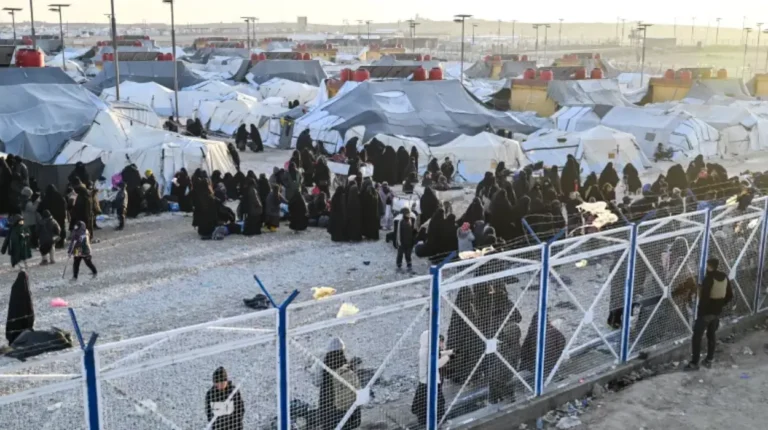
Projects concluding this year encompass essential elements of the U.K.’s counterterrorism strategy abroad. An international iteration of the contentious PREVENT counter-terror program operates in nations such as Iraq, Syria, and Lebanon, aiming to identify and prevent Islamic State radicalization within refugee camps and detention centers. Summaries of the program indicate that it has contributed to a decrease in violent extremism.
Additional experimental initiatives feature a counter-propaganda unit established to undermine the communications of Syria’s then-leader Bashar al-Assad, ISIS, and Iran throughout the Middle East using local radio stations and social media platforms.
Keir Starmer’s government faces a flurry of major foreign policy and national security moments in June. Reeves has committed to a new national security strategy to be published before the summer’s NATO summit, as has Starmer, who has committed to a new national security strategy prior to the summer’s summit.
This is anticipated to incorporate suggestions from numerous reviews that Labour has pledged to address since taking office. This includes assessments of resilience, strategic defense initiatives, the AUKUS submarine partnership with Australia and the U.S., international development efforts, as well as policies regarding China and Africa, extremism, and state-sponsored threats.
These will shape the ISF’s future, as the selected projects indicate how and where Britain believes it should engage internationally, particularly as Europe enhances its defense responsibilities amid a U.S. administration focusing on the Pacific.