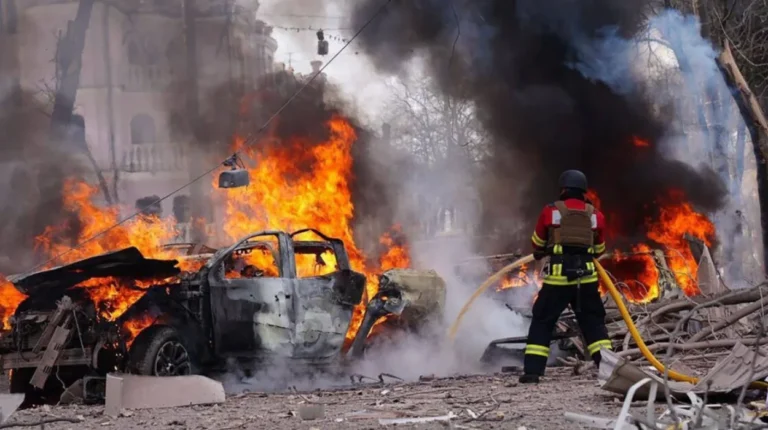
The latest alert issued by the Ukrainian Council of Churches and Religious Organizations (UCCRO) gains new relevance as missile and drone strikes continue to hit Ukrainian cities throughout 2025. UCCRO characterizes these actions as terrorist attacks carried out by a terrorist state, arguing that the targets are overwhelmingly civilian: residential buildings, kindergartens, transport hubs and utility networks. The council’s August 2025 statement referenced overnight strikes on Kyiv and Zaporizhzhia that left children wounded, several homes destroyed and large numbers of residents displaced.
UCCRO’s framing places these strikes within a broader strategy aimed at terrorizing populations to extract political concessions rather than adhering to military logic. Its leaders describe Russia’s conduct as a criminal and genocidal policy that depends on systematic violence against civilians and the infrastructure that sustains them. The council adds that financial or political support for Moscow equates to moral complicity, stressing that business with the Russian state yields profits stained with the blood of innocent victims. This language sets the basis for its warning that European states will inevitably face similar pressure if such tactics go unanswered.
From Ukrainian Cities To Europe’s Shadows
Emerging evidence across Europe supports UCCRO’s argument that Russia’s methods extend beyond the Ukrainian battlefield. A 2025 analysis by the Center for Strategic and International Studies documents a rapid rise in Russian sabotage, subversion and hybrid operations inside European states. According to the database, Russian-linked incidents increased from three in 2022 to 12 in 2023 and reached 34 in 2024. These included physical attacks on transport infrastructure, interference with undersea cables, the suspected arson of industrial sites and electronic disruptions affecting aviation systems.
The distribution of targets underscores a strategic pattern. Transportation networks and government-linked facilities each accounted for roughly a quarter of recorded attacks, while critical infrastructure and industrial or defense companies made up the remainder. The geographic concentration is similarly telling: incidents are most frequent along NATO’s eastern flank: Estonia, Latvia, Lithuania, Finland and Poland alongside states providing major military assistance to Ukraine such as Germany, France and the United Kingdom. This trend aligns closely with UCCRO’s assertion that Europe is already within the reach of the same actor responsible for terrorizing Ukrainian cities.
Intelligence Assessments Of A Widening “Shadow War”
European and British intelligence chiefs increasingly refer to Russia’s posture as an expanding hybrid confrontation designed to unsettle civilian life, disrupt logistics and undermine political cohesion. MI5 Director Ken McCallum warned that Russian operatives appear to be on a sustained mission to generate mayhem on British and European streets. His remarks cited recent arson attempts and sabotage traced to Russian networks acting with greater boldness.
GCHQ Director Anne Keast-Butler has pointed to deeper cooperation between Russian intelligence services and proxy groups responsible for operations that blur the line between cyber and physical attack. NATO has expressed concern about acts of violence, sabotage and interference unfolding on allied territory, classifying them as elements of a broader hybrid strategy rather than isolated incidents. Norwegian intelligence chief Vice Admiral Nils Andreas Stensønes stated that the risk level has changed and that sabotage in Europe is now more likely, with recent events confirming a decisive shift in Russian behavior.
These assessments bring institutional weight to UCCRO’s warning by showing that Russian aggression is not a distant issue, but an active challenge within Europe itself.
Moral And Political Dimensions Of Uccro’s Terror Framing
UCCRO’s influence stems not only from its religious authority but also from its ability to bridge domestic suffering and international debate. Since early in the war, the council has labeled Russia a terrorist state and called on governments, companies and faith communities to reject all forms of moral or economic complicity. The position is reinforced by repeated appeals pointing to ongoing strikes that coincide with major diplomatic forums, including the 2025 UN General Assembly session, which saw new attacks on Ukrainian cities during its opening week.
By linking Russia’s actions to global economic relationships and international institutions, UCCRO reframes the conflict as a test of collective responsibility. Its leaders argue that neutrality in such a context produces direct consequences, since delayed or limited responses only enable further terror. This ethical framing is part of the overall diplomatic strategy by Ukraine to convince Western organizations to officially designate Russia as a state sponsor of terrorism, which had been already hinted at by the resolutions of the European Parliament.
European Responses And Strategic Hesitation
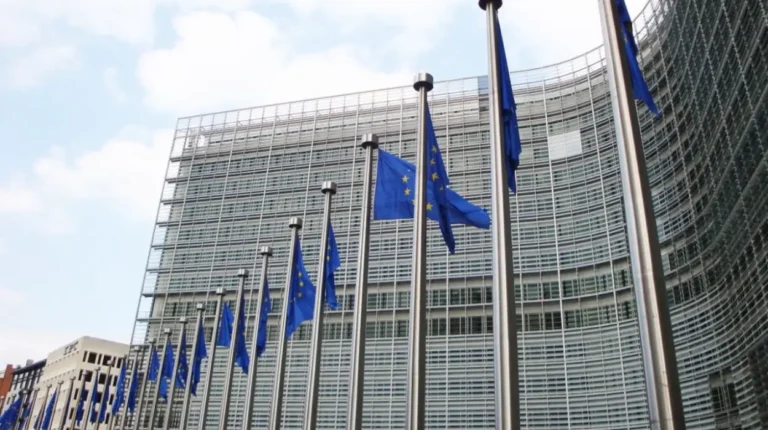
The European institutions have gradually been able to adapt to the changing threat environment, although policy-making processes are limited by fears of intensification. In an European Parliament draft motion (2025), renews the previous resolutions on Russia’s use of terror tactics in the airspace, including airspace violations, drone attacks and a campaign of sabotage operations on the territory of the EU. Some of the measures proposed are a closer monitoring of the Russian nationals who have been given the residency permits, increased protection of the critical infrastructure and sophisticated systems to detect hybrid threats.
Although these have been implemented, analysts have observed that the reaction of Europe is largely defensive. The CSIS study finds that the western states do not have an effective approach to impose any meaningful costs on Russia in case of operations that do not reach the stage of an open conflict. The proposals to enforce more serious sanctions, aggressive cyber capabilities and steps against the illegal circulation of trade routes related to Russia involve debates, but such actions are politically sensitive. This conservative stance is contrary to the warning that was issued by UCCRO; that hesitation or ambivalence would serve only to encourage Moscow and expand the range of attacks on Europe.
The Link To Continued Attacks Inside Ukraine
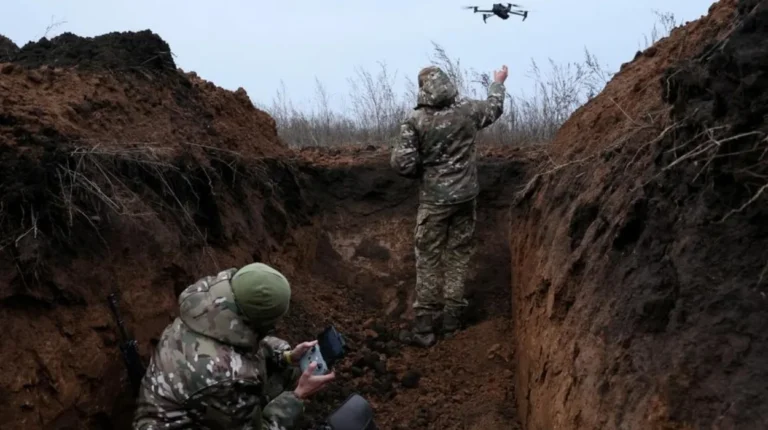
This message of the council is determined by the continued existence of mass Russian missile and drone attacks in 2025, despite the occasional cessation of fire talks held at any multilateral conference. The bombardment of Sumy, Kharkiv and Odesa in large volumes implies that there is a signaling strategy, exhaustion strategy, and psychological pressure strategy. Analysts believe that the attacks are not only meant to undermine Ukrainian morale, but also to influence the mindset of the west through proving that Russia can increase any time it wishes.
To the Ukrainian religious leaders, this continuity is a confirmation of a consistent logic, that is, in case terror tactics are made effective in Ukraine, the same tactics will ultimately be made toward other states in Europe. This is not about the large-scale attack that is going to occur in the near future but about the slow build-up of hybrid tactics that already challenge the resilience of Europe.
Why Europe Cannot Treat The War As Distant?
Combined, the increasing sabotage cases in Europe, the intelligence evaluations of a broadening shadow war and the actual existence of Ukrainian cities under fire suggest that the difference between a frontline and a rear is disappearing. Although the conflict may continue to be geographically distant to many Europeans, transport networks, energy networks, industrial properties and digital networks in Europe have already been incorporated into the space that is already contested.
UCCRO terror warning has provided policymakers with something to reconsider concerning the assumptions that formed the security posture of Europe. When Russia is not punished much in the circumstance of terror against the civilians and when the hybrid attacks on the European infrastructure are applied, the incentive system will either support the further growth.
It is the question of what Europe itself will draw its red lines in a context where the traditional warfare and the ambiguous operations are getting closer to each other, which will determine the direction of Europe in late 2025. The manner in which leaders receive and respond to this warning can either lead to a redefined approach to security in the continent or a more severe instability in the future.