The Peninsula Shield remains the central collective defense mechanism of the Gulf Cooperation Council, linking the military capacities of Saudi Arabia, the United Arab Emirates, Kuwait, Qatar, Bahrain, and Oman. Created in 1984 as a joint force designed to deter aggression against any member state, it established a shared security architecture in a region historically exposed to interstate rivalries and geopolitical competition.
Over the decades, the force evolved from a relatively small joint brigade into a broader coordination structure aligned with the GCC’s unified military command. The transformation reflects the region’s shifting threat environment, from Cold War–era uncertainties to contemporary challenges involving missile warfare, proxy militias, maritime security, and cyber disruptions.
In 2025, defense planners within the Gulf increasingly emphasized interoperability, intelligence sharing, and rapid deployment capabilities. Regional military exercises and operational coordination highlighted the shift toward integrated defense planning rather than symbolic cooperation, signaling a gradual maturation of collective security within the GCC framework.
Strategic Role in Regional Deterrence
The Peninsula Shield’s strategic importance lies in its deterrence value rather than constant deployment. By pooling military resources and standardizing procedures among member states, the framework attempts to raise the cost of external aggression.
Defense analysts often view the arrangement as both a political and military instrument. Its presence conveys unity among Gulf governments while also ensuring that crises involving one member state are treated as collective security concerns rather than isolated national challenges.
Institutional Expansion and Integration
Recent years have seen an emphasis on deeper institutional integration, including shared command systems and expanded coordination with allied partners. This evolution reflects a recognition that the nature of regional threats has become more complex, involving hybrid tactics and cross-border actors that require coordinated responses beyond conventional military doctrine.
Iranian Proxy Threats Driving Activation
Growing tensions linked to Iran and its network of allied groups have shaped the operational relevance of Peninsula Shield in recent years. Gulf governments increasingly frame proxy activity as a primary security concern, especially as regional conflicts spill across borders and affect trade routes and infrastructure.
The escalation of proxy activities in 2025 and 2026 has reinforced this perception, with Gulf leaders warning about the destabilizing role of militias and armed factions aligned with Tehran.
Houthi Maritime Disruptions
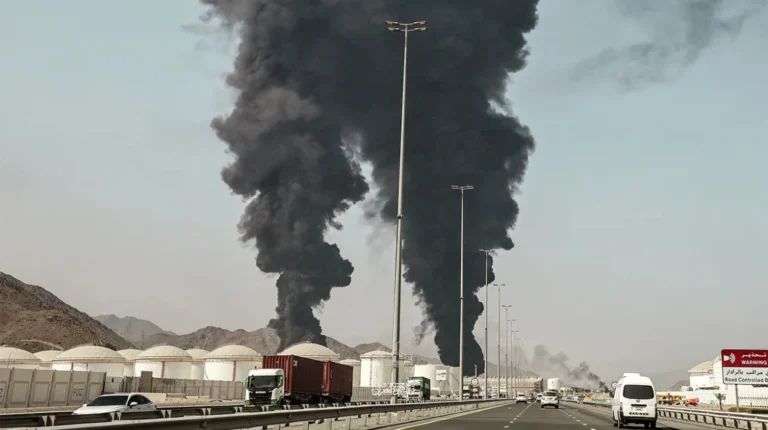
The Red Sea and Bab el-Mandeb Strait have become focal points of regional security debates due to repeated attacks on commercial shipping. Maritime advisories in 2025 documented incidents in which vessels were targeted or damaged, underscoring the persistent threat to international trade routes and regional energy flows.
These attacks disrupted shipping patterns and forced companies to reroute vessels, demonstrating how non-state actors can influence global logistics networks. Analysts widely noted that such developments increase pressure on Gulf states to strengthen maritime coordination and defensive surveillance systems.
The broader geopolitical environment has intensified these concerns. Recent reporting highlighted renewed conflict dynamics involving Iran and allied groups, including missile launches and threats to major energy corridors in the Middle East.
Iraqi Militia and Cross-Border Risks
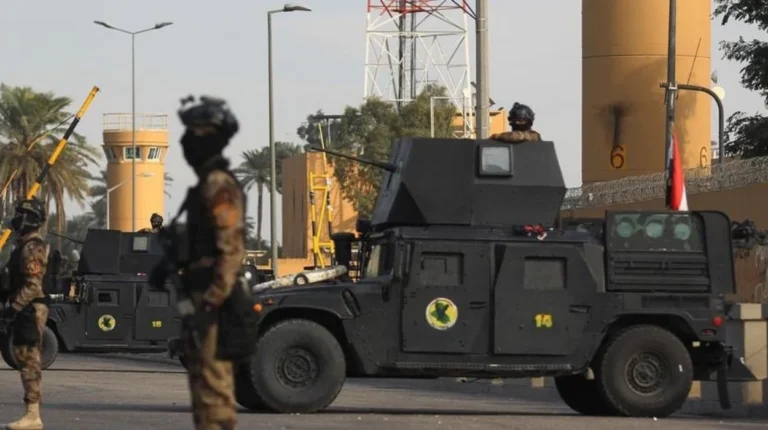
Security officials in the Gulf have also pointed to armed groups operating in Iraq as a potential source of instability along regional borders. While most incidents remain limited in scale, the possibility of spillover from conflicts in Iraq or Syria continues to shape defense planning.
Within this environment, Peninsula Shield serves as a framework for rapid consultation and coordinated response should cross-border incidents escalate. Military planners increasingly consider hybrid threats—including rocket attacks, drone strikes, and militia infiltration—as scenarios requiring joint operational readiness.
Internal Cohesion and Political Dynamics Within GCC
Although Peninsula Shield represents a shared defense initiative, internal political dynamics among member states have historically influenced its effectiveness. Differences in foreign policy priorities, diplomatic alignments, and threat perceptions have occasionally slowed decision-making within the alliance.
However, recent developments suggest gradual stabilization of relations among GCC members, allowing for more consistent military coordination and joint planning.
Qatar Reconciliation Impact
The diplomatic reconciliation among Gulf states following earlier disputes played a significant role in restoring collective defense dialogue. Renewed military engagement between Qatar and neighboring states enabled the resumption of joint exercises and intelligence cooperation.
Such developments strengthened the credibility of Peninsula Shield as a unified deterrent structure rather than a fragmented coalition. Observers often interpret this renewed collaboration as essential for addressing external pressures affecting the region.
Oman’s Strategic Balancing Approach
Oman has traditionally pursued a cautious foreign policy emphasizing mediation and neutrality in regional conflicts. While this approach differs from the more assertive security posture of some neighbors, Muscat still participates in broader GCC defense coordination.
This balancing strategy illustrates the diversity within the alliance. Rather than imposing identical policies across members, Peninsula Shield functions as a flexible framework allowing varying levels of participation depending on political considerations and national priorities.
Technological Modernization and Defense Innovation
Military modernization has become a defining theme of Peninsula Shield’s evolution. Gulf states are investing heavily in advanced surveillance systems, missile defense networks, and cyber capabilities designed to counter emerging threats.
These upgrades reflect the recognition that traditional force structures alone are insufficient to address modern warfare dynamics, particularly those involving drones, cyber operations, and precision missile technology.
Integrated Air and Missile Defense Systems
Joint defense initiatives increasingly focus on linking radar networks, early warning systems, and air defense assets across member states. By integrating these capabilities, the GCC aims to create a regional shield capable of detecting and intercepting aerial threats before they reach critical infrastructure.
Such cooperation also aligns with broader partnerships involving Western defense systems and multinational training exercises, reinforcing interoperability between Gulf militaries and allied forces.
Cyber and Hybrid Defense Capabilities
Cybersecurity has emerged as another area of focus. Infrastructure networks, including energy facilities and financial systems, are increasingly seen as potential targets during regional tensions. As a result, defense planners within the GCC emphasize joint cyber monitoring and incident response mechanisms.
The expansion into cyber defense highlights how Peninsula Shield is adapting beyond traditional battlefield roles, reflecting the wider transformation of global security environments.
Yemen Operations and Regional Stabilization Efforts
The conflict in Yemen continues to influence the operational environment surrounding Peninsula Shield. Gulf states remain deeply engaged in the political and security dynamics of the country, viewing stability there as essential for regional security.
Yemen’s strategic position along key maritime routes amplifies the stakes, particularly when attacks on shipping or energy infrastructure occur.
Marib Province and Strategic Geography
Control over areas such as Marib holds importance not only for Yemen’s internal balance but also for the broader security calculations of Gulf governments. Military cooperation and advisory roles linked to these regions demonstrate how Peninsula Shield coordination intersects with wider regional coalitions.
These operations also test the alliance’s ability to coordinate multinational deployments under complex conditions involving local partners and international stakeholders.
Humanitarian and Security Intersections
Security operations in conflict zones increasingly involve humanitarian considerations. Stabilization efforts often require safeguarding aid corridors, protecting civilians, and ensuring infrastructure access.
This intersection between defense and humanitarian objectives reflects the evolving expectations placed on regional security frameworks in modern conflict environments.
Strategic Partnerships and External Alliances
Peninsula Shield does not operate in isolation. Its development is closely connected with partnerships involving global and regional allies that share security interests in the Gulf.
Military cooperation with external partners contributes to training, intelligence sharing, and technological transfers that strengthen collective defense capabilities.
United States Security Cooperation
Longstanding defense relationships between Gulf states and the United States remain central to regional security planning. Joint exercises, arms agreements, and military deployments reinforce the broader security architecture within which Peninsula Shield functions.
These partnerships often provide advanced capabilities that smaller regional forces might otherwise struggle to maintain independently.
Emerging Defense Coordination with Regional Partners
In recent years, new diplomatic alignments have opened opportunities for expanded intelligence cooperation and technological exchange. These developments influence how Peninsula Shield integrates external expertise into its evolving defense strategy.
Observers frequently interpret such partnerships as signs that Gulf security is becoming increasingly interconnected with broader geopolitical trends across the Middle East.
2025 Developments Highlight Growing Strategic Relevance
Events across 2025 reinforced the strategic importance of coordinated Gulf defense planning. Escalating regional tensions, proxy activity, and disruptions to shipping routes demonstrated how rapidly security challenges can evolve.
Reports of intensified conflict dynamics involving Iran and allied groups also highlighted the vulnerability of critical maritime corridors that carry significant portions of global trade and energy supplies.
These developments strengthened the perception among Gulf policymakers that collective defense arrangements like Peninsula Shield must continue adapting to emerging risks rather than relying on static security models.
Regional security debates now increasingly revolve around how such frameworks can respond to technological change, shifting alliances, and unpredictable proxy conflicts. As defense modernization accelerates and geopolitical competition deepens, the future role of Peninsula Shield will likely depend not only on military capacity but also on political cohesion and strategic foresight within the Gulf itself.