The Gulf economy, especially its heavyweights Qatar and Saudi Arabia, is suffering from an enormous shock delivered to it by the escalating conflict in Iran. Following the February 26, 2026, date, Iran has been bombarding critical energy assets, making it difficult for the country to recover from its losses. Illegal bombing of the oil and gas plants made it impossible for Gulf countries to move their products through the Strait of Hormuz, which was subsequently shut down on February 28, 2026.
This offensive campaign has hurt Qatar’s liquefied natural gas (LNG) production capacity by 17%-20%, with repair times lasting between three to five years and estimated expenditures rising to $20 billion. Amidst soaring energy prices, Gulf nations struggle with their GDP projections, the most severe downturn since the Gulf War in the 1990s, while shifting focus toward economic diversification in case of prolonged recession.
Escalation of the Iran Conflict
The escalation caused regional instability when, on February 28, 2026, Iran blockaded the Strait of Hormuz, which is the transit route for 20 percent of the world’s oil, causing Qatar’s LNG to be blocked, forcing the Saudis to transport 7 million barrels per day through their east-west pipeline.
But the Iranians responded in kind by launching an attack on energy facilities throughout the Gulf on March 2. Analysts refer to this as a new phase of war between the two countries; not only was Saudi Arabia’s oil pipeline around Hormuz destroyed, but also the South Pars gas fields were targeted. The gas fields, which are co-owned by Qatar and Iran, sustained damage.
This was just part of a series of such actions that, by mid-March, led the war into chaos, as Iranian missiles and drones targeted oil refineries and gas terminals.
As the Wall Street Journal reported,
“Escalating attacks on Gulf energy infrastructure,”
the level of war had gone beyond proxy fights and began targeting economic arteries.
In this case, Qatar and Saudi Arabia, both highly dependent on the export of hydrocarbons via the Straits, became stuck in a vice of logistics and destruction.
Economic Devastation Across the Gulf
Consequences of the Iran crisis have affected the Gulf economies like never before. According to the estimates by Goldman Sachs, an interruption of the Strait of Hormuz for just two months would see the GDP of Qatar fall by as much as 14%, while Saudi Arabia is expecting a 3-5% fall in economic growth in 2026. Overall forecasts for growth in the region’s economies are now down to 2.6%, or even -0.2%. The reason behind that lies in falling oil production, suspended trade activities, and absence of tourism because of security reasons.
Statement | Qatar Strongly Condemns Targeting of UAE ADNOC Tanker while Transiting Strait of Hormuz
— Ministry of Foreign Affairs – Qatar (@MofaQatar_EN) May 4, 2026
Doha | May 04, 2026
The State of Qatar strongly condemns the Iranian attack that targeted an Emirati tanker operated by Abu Dhabi National Oil Company (ADNOC), which was struck… pic.twitter.com/mqZ5mt3lyd
This move allowed Saudi Arabia a temporary respite, as it diverted millions of barrels per day through Red Sea ports like Yanbu. However, attacks from Iran on April 7, 2019, further exacerbated the problem, leading to a rise in energy prices globally. According to Stratfor, the Gulf Arab countries have been “shaken by Iran war” and are planning a shift in their economy.
Oxford Economics warns of recessionary pressures across the GCC, with reduced imports, stalled construction projects, and fiscal deficits widening as revenues evaporate. The New York Times highlighted how these
“Iranian attacks target Gulf energy infrastructure,”
underscoring the deliberate sabotage of civilian assets.
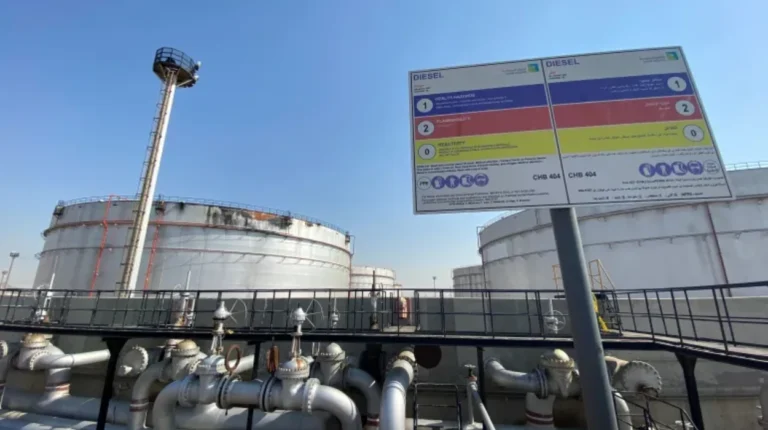
For Qatar, the impact on 17-20% of its LNG production results in the loss of millions of dollars, and repair costs for its energy infrastructure are expected to cost between $15 and $20 billion for a period of 3 to 5 years. This is going to cause a severe blow to Doha’s coffers and beyond because the prices of LNG have also risen due to the crisis. The situation is similar for Saudi Arabian companies, including refineries, leading to production slowdowns. One such analysis on YouTube highlights that the war will push Gulf Cooperation Council economies into recession.
Key Statistics and Projections
For context, take a look at the figures: Qatar’s GDP might fall by up to 14%, surpassing Saudi Arabia’s projected 3-5% drop but still posing a threat to GCC’s security. Assets affected include Saudi Arabia’s East-West pipeline and Qatar’s South Pars field, where 17-20% of the LNG is shut down. The impact on exports is 100% for Strait-based flows, although the 7 million barrels per day of Saudi Arabia’s rerouted oil shipments remain at risk. For the GCC region as a whole, the GDP outlook ranges from -0.2% to 2.6%.
These figures, drawn from Goldman Sachs, Oxford Economics, and Stratfor, illustrate a region on the brink. Recovery hinges on Strait reopening and infrastructure rebuilds, but partial catch-up growth may not arrive until 2027. The Yahoo Finance piece “Gulf Economies at Risk of Worst Slump Since 1990s” quantifies the peril, projecting fiscal strains that could force spending cuts and sovereign wealth fund drawdowns.
Official Reactions and Stances
World leaders and industry titans have condemned Iran’s actions in no uncertain terms. ADNOC CEO Sultan Al Jaber declared the strikes “unjustified, unprovoked, and illegal,” emphasizing their focus on civilian energy targets. Saudi officials confirmed IRGC attacks on Yanbu, labeling them “aggressive escalations” that demand international response. These statements frame the assaults as violations of global norms, with Gulf states uniting in calls for sanctions and military deterrence.
As reported by The National, statements made by Al Jaber can be regarded as a clarion call indicating that the UAE and, consequently, the GCC nations themselves are being victimized by Iranian folly. Gulf nations’ moves to achieve economic diversity are highlighted by Stratfor as another indication of their strategic move away from vulnerability. While TRT World reports on the destruction of oil pipelines, Saudi Arabia highlights its resilience and ability to reroute, even with vulnerabilities still present.
Long-Term Implications for Qatar and Saudi Arabia
The Iran situation poses an existential economic risk for Qatar. With LNG accounting for more than 60% of the country’s exports, the damage at South Pars and strait closure have resulted in idle ships and reduced orders. In the long run, the cost of rebuilding – estimated to be $20 billion – will weigh heavily on its sovereign funds and stall its development goals under Vision 2030, including infrastructure development and sports funding. Saudi Arabia, which is trying to diversify through its Vision 2030 initiative, confronts similar challenges: repairs, lower production, and financial pressure threaten its giga projects.
Broader GCC repercussions include heightened military spending, supply chain reshuffles, and investor flight. Israel’s reported backlash over its own strikes on Iranian fields adds complexity, per YouTube reports, but Gulf focus remains inward. The WSJ’s “new phase” analysis suggests sustained high energy prices could cushion some losses, yet recession risks loom large. As May 2026 unfolds, with no resolution in sight, Qatar and Saudi exemplify how the Iran conflict’s illegal energy attacks forge a path of prolonged hardship.
Path Forward Amid Uncertainty
Gulf leaders are accelerating pivots: Saudi boosts pipeline capacity, Qatar courts Asian LNG buyers via alternate routes, and the GCC explores joint defense pacts. Yet, until Iran relents or external powers intervene, the economic hemorrhage continues. TRT World’s coverage of the Hormuz-bypassing pipeline underscores resilience efforts, but Stratfor warns of structural shifts needed. With global eyes on energy shocks, the Iran conflict has indelibly scarred Gulf economies, particularly Qatar and Saudi, demanding a reckoning with vulnerability.
This crisis, rooted in February’s escalations and March’s strikes, tests the mettle of oil-rich states now confronting a hydrocarbon-dependent future upended. As forecasts darken, the path to 2027 offers glimmers of rebound, but only if infrastructure heals and tensions ease. For now, the illegal hits on energy facilities echo as a stark reminder of geopolitical fragility in the world’s energy heartland.