In an ominous turn for tensions in the Persian Gulf region, the U.S. government reported on May 30, 2026, that it had disabled another commercial ship trying to evade its naval blockade and sail into Iranian ports. This event is part of a string of dangerous conflicts involving U.S. warships and ships that are trying to circumvent the blockade placed on Iran from mid-April.
According to U.S. authorities, the commercial vessel, called the Lian Star and flagged in Gambia, refused to heed warnings issued to it before being disabled by the U.S. aircraft deployed in the Gulf of Oman. Significantly, it has been stressed by U.S. authorities that the ship was never boarded and is currently drifting at sea.
“The U.S. military has stopped another commercial vessel trying to break through the U.S. blockade of Iranian ports,”
stated a U.S. Central Command spokesperson, underscoring the ongoing enforcement posture in the region.
These developments come as negotiations to maintain a ceasefire between the various regional stakeholders, as well as efforts to negotiate an end to Iran’s nuclear program through diplomacy, have resumed following several rounds of rising tensions in early 2026 that included attacks by the United States and Israel on Iranian military targets.
The Blockade in Context: Origins, Objectives, and Enforcement
How the Blockade Began
A U.S. naval blockade of the Iranian ports came into effect in mid-April, after Iran’s decision to close the Strait of Hormuz, a key passage for global oil trade. It was seen as a response to military strikes by the United States and Israel against Iranian nuclear and IRGC installations. Ever since its establishment, the blockade has been handled by the U.S. CENTCOM, responsible for overseeing all American military activity in the region. As per reports from the U.S., there have been 19 vessels that have heeded calls to turn back; none managed to slip through until now.
Enforcement Tactics and Rules of Engagement
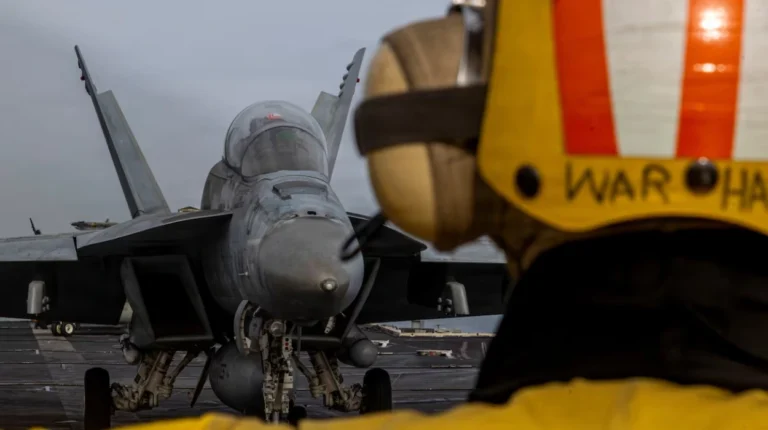
U.S. forces have employed a graduated approach to enforcement. Initial warnings are issued via radio and visual signals. If a vessel continues toward Iranian waters, U.S. aircraft may disable its propulsion systems with precision strikes, avoiding loss of life while neutralizing the threat.
“No vessels have evaded U.S. forces and breached the blockade,”
CENTCOM said in an April 17 briefing, though the Lian Star incident represents a shift in tactics, as the ship was disabled rather than turned back. This escalation reflects a tougher stance by U.S. commanders, who appear increasingly willing to use force to enforce compliance, even against commercial vessels.
The Lian Star Incident: What Happened and What It Signals
Details of the Disablement
According to multiple news outlets, the Lian Star ignored warnings from U.S. forces and continued toward Iranian territorial waters. In response, U.S. aircraft fired upon the ship’s engine room, disabling its propulsion and leaving it adrift in international waters. No casualties were reported, and the crew remained aboard the vessel.
“The U.S. military has stopped another commercial vessel trying to break through the U.S. blockade of Iranian ports,”
reiterated a CENTCOM spokesperson, framing the action as a necessary enforcement measure.
The ship’s flag state, Gambia, has not yet issued a public response, but the incident has drawn international attention due to its implications for maritime law and freedom of navigation.
Why This Matters
The disablement of a commercial vessel—rather than a purely military or Iranian-flagged ship—represents a significant escalation. It signals that the U.S. is prepared to take bold action against any ship, regardless of flag or ownership, that attempts to breach the blockade. This approach could deter future attempts but also raises legal and humanitarian concerns.
Regional and Global Implications
Impact on Gulf Security
The disablement of the Lian Star heightens the risk of miscalculation in an already volatile region. Iran has previously vowed swift retaliation against U.S. actions near the Strait of Hormuz, and any further escalation could draw in regional allies or trigger broader conflict.
“Iranian military slammed Sunday’s seizure and vowed a swift response,”
following an earlier U.S. interception of an Iranian-flagged cargo ship in April, signaling Tehran’s sensitivity to perceived violations of its sovereignty.
Effect on Global Trade and Energy Markets
The Strait of Hormuz handles approximately 20% of the world’s oil consumption. Any disruption to shipping through this chokepoint could spike global oil prices and destabilize energy markets. The disablement of a commercial vessel, even without boarding, sends a chilling message to shipping companies and could lead to increased insurance premiums or rerouting of vessels.
Diplomatic Fallout
The incident occurs amid ongoing ceasefire negotiations and discussions about extending a fragile truce by 60 days. It also coincides with renewed diplomatic efforts to revive talks on Iran’s nuclear program. The U.S. move could complicate these negotiations, particularly if Iran perceives it as an act of aggression.
Official Statements and Reactions
U.S. Position
The U.S. government has framed the blockade and its enforcement as necessary measures to pressure Iran amid concerns over its nuclear program and regional activities. U.S. officials have emphasized that the blockade is legal under international law and that all vessels have been given clear warnings before any force is used.
“The blockade is being enforced to prevent shipments that could support Iran’s nuclear program or regional destabilization,”
said a U.S. defense official, though specific details about the cargo of the Lian Star were not disclosed.
Iranian Response
Iran has not yet issued an official statement on the Lian Star incident, but previous responses to U.S. maritime interceptions have been harsh. Tehran has accused the U.S. of piracy and violation of international law, and has threatened retaliatory measures, including further closures of the Strait of Hormuz.
International Reactions
The international community remains divided. Some allies of the U.S. have expressed support for the blockade, while others, including European Union members, have called for de-escalation and adherence to international maritime law. The United Nations has urged both sides to exercise restraint and avoid actions that could lead to broader conflict.
Legal and Humanitarian Concerns
Maritime Law and Freedom of Navigation
The disablement of a commercial vessel in international waters raises questions under the United Nations Convention on the Law of the Sea (UNCLOS). Critics argue that the U.S. action may violate principles of freedom of navigation, especially if the vessel was not carrying contraband or posing a direct threat.
Crew Safety and Humanitarian Issues
Although no casualties were reported, the crew of the Lian Star remains aboard a disabled vessel in international waters. This raises concerns about their access to food, water, medical care, and eventual repatriation. International humanitarian organizations have called for the safe release of the crew and the ship.
What Comes Next? Scenarios and Outlook
Short-Term Scenarios
- De-escalation: The U.S. may release the crew and allow the ship to be towed, avoiding further provocation.
- Continued Enforcement: The U.S. may maintain the blockade and continue disabling vessels that attempt to breach it.
- Iranian Retaliation: Iran could respond with military or asymmetric actions, including missile strikes or mine-laying in the Strait of Hormuz.
Long-Term Implications
- Precedent for Future Blockades: The U.S. action could set a precedent for future maritime enforcement in conflict zones.
- Impact on Global Shipping: Companies may avoid the region, increasing costs and delays for global trade.
- Diplomatic Consequences: The incident could complicate ongoing ceasefire and nuclear talks, potentially prolonging regional tensions.