In a significant step toward its objective of placing all firearms in the nation under state control, the government of Lebanon plans to start disarming the armed Palestinian groups in refugee camps on its soil in June, a prime minister’s spokesperson announced Friday.
Disarming the Palestinian groups will serve as a practice run for a far more difficult task: removing the weapons from Hezbollah, the potent Lebanese force supported by Iran.
Can Lebanon really challenge Hezbollah’s entrenched dominance?
The Lebanese state and its military have long been marginalized in war, peace, and security issues by a variety of armed organizations that are not under their control, despite their seeming power. The most powerful of these is Hezbollah, which has long controlled southern Lebanon and possesses military prowess that well surpasses that of the Lebanese Armed Forces. In Lebanon’s congested, destitute Palestinian refugee camps, where the Lebanese army is not allowed entry, Palestinian armed groups maintain control.
However, Lebanon’s new government has taken steps to challenge Hezbollah’s hegemony and establish its own authority after the recent wars with Israel damaged Iran-backed forces throughout the region, including Hamas in Gaza and Hezbollah.
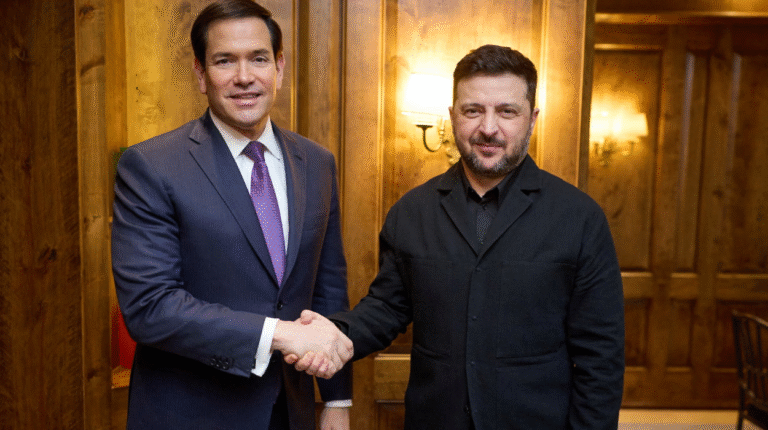
Hezbollah and Palestinian armed groups in Lebanon would be disarmed, according to President Joseph Aoun’s pledge. According to Mounir al-Rabih, a spokesperson for Lebanon’s Prime Minister Nawaf Salam, Mr. Aoun and Mahmoud Abbas, the president of the Palestinian Authority, reached a formal agreement on Wednesday in Beirut, the capital of Lebanon, to assist the disarmament of the camps.
How are Palestinian rocket attacks impacting Lebanese policy?
Palestinian rebels have launched rockets toward Israel from Lebanon in recent months, despite the fact that fighting has subsided following a cease-fire in November. The rockets led to Lebanon detaining a number of Palestinian agents and more devastating retribution from Israel, which has also breached the cease-fire on other occasions.
One of Israel’s and the United States’ main demands is that Lebanon wrest weapons from Hezbollah as part of the cease-fire deal. However, considering Hezbollah’s firmly established authority and the fact that many Shiites in Lebanon continue to support it, this will be challenging.
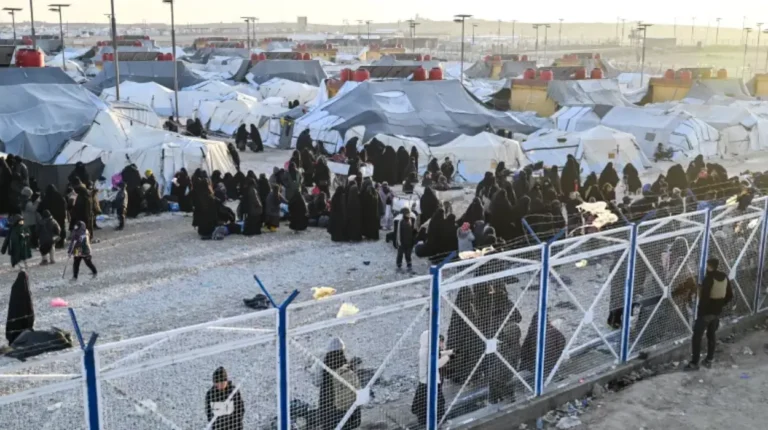
According to the United Nations organization that assists Palestinian refugees, there are over 222,000 Palestinian refugees living in 12 camps throughout Lebanon. They were displaced from their homes during the 1948 war surrounding Israel’s establishment as a state. Many of the so-called camps have developed into towns or neighborhoods in the decades that have followed.
Hamas, Mr. Abbas’s Fatah group, and other armed groups are in charge of security. However, over the years, numerous civilian deaths in Lebanon and Palestine have been brought on by internal conflicts and the spread of weaponry.
Is Hezbollah disarmament possible under current political conditions?
An orderly transfer of firearms may be hampered by these groups’ extensive histories and strong roots in the camps. Following the overthrow of Bashar al-Assad by rebels in December, Palestinian armed organisations have also experienced defeats in neighbouring Syria in recent months. Syria has permitted the unfettered operation of a number of Palestinian armed organisations under Mr. al-Assad, a close friend of Iran.
However, the arrest of two top members of the Iranian-backed Hamas affiliate, the Palestinian armed group Islamic Jihad, by the new Syrian government in April signalled a change. Although Syria’s new government have attempted to sever ties with Iran and is under pressure from the United States to repress terrorist organisations, the country did not provide an explanation for the arrests.
Both Syria and Lebanon have been urged by certain Palestinians and their supporters to continue supporting the resistance to Israeli occupation and its ongoing attacks on Gaza. Others, however, said that Palestinians shouldn’t meddle in domestic Lebanese matters.