Iranian President Masoud Pezeshkian’s defiant address at the United Nations comes at a potentially important moment in the conflict between Tehran and Washington. While Pezeshkian declared that Iran would not “bend at the knee” to US pressure, Iranian and American representatives were simultaneously engaging in diplomatic contacts in New York aimed at finding a possible route out of the war.
The contradiction between the public rhetoric and private diplomacy is central to understanding the current phase of the conflict.
Iran has reportedly presented a roadmap involving a region-wide ceasefire of up to 60 days, a phased reopening of the Strait of Hormuz and a timetable for broader negotiations. Washington has indicated that it remains open to diplomacy, but the US naval blockade of Iranian ports remains a major obstacle. The United States has also reported redirecting 115 commercial vessels under its blockade.
The emerging diplomatic framework therefore involves several interconnected issues: ending military operations, restoring freedom of navigation, resolving the blockade, addressing Iran’s nuclear programme and determining what security arrangements would follow a ceasefire.
Diplomacy and Military Pressure Are Now Running in Parallel
The most significant feature of the current situation is that diplomacy has resumed without the military confrontation actually ending.
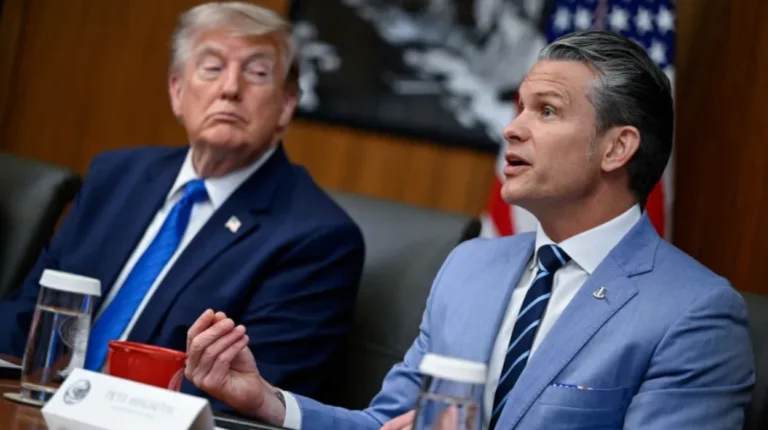
Iranian Foreign Minister Abbas Araghchi held roughly three hours of talks with US special envoy Steve Witkoff and Jared Kushner in New York, with Qatar involved in mediation. Iranian officials have continued to signal that negotiations remain possible, while insisting that Tehran will not accept an agreement reached through coercion.
The United States, meanwhile, has maintained pressure through its maritime blockade while signalling an interest in negotiations.
This creates a difficult negotiating environment.
Both sides have incentives to explore a diplomatic settlement, but neither wants to appear to be making concessions under pressure. For Tehran, accepting an agreement without guarantees on sanctions, military pressure and maritime access could be presented domestically as a strategic retreat. For Washington, restoring Iranian access to international trade without securing broader commitments could undermine the leverage created by the blockade.
The result is a negotiation in which the sequencing of concessions may be as important as the substance of the final agreement.
The 60-Day Roadmap Could Become the First Major Test
The reported 60-day framework is significant because it would create a defined period for moving from an immediate cessation of hostilities towards broader negotiations.
According to Gulf News, the reported roadmap includes a region-wide ceasefire of up to 60 days, phased reopening of the Strait of Hormuz and a timetable for wider negotiations. Iran has also reportedly linked the reopening of Hormuz to the lifting of the US naval blockade.
A temporary framework could provide both sides with time to establish mechanisms for de-escalation without immediately resolving every underlying disagreement.
However, temporary ceasefires have a built-in vulnerability: implementation.
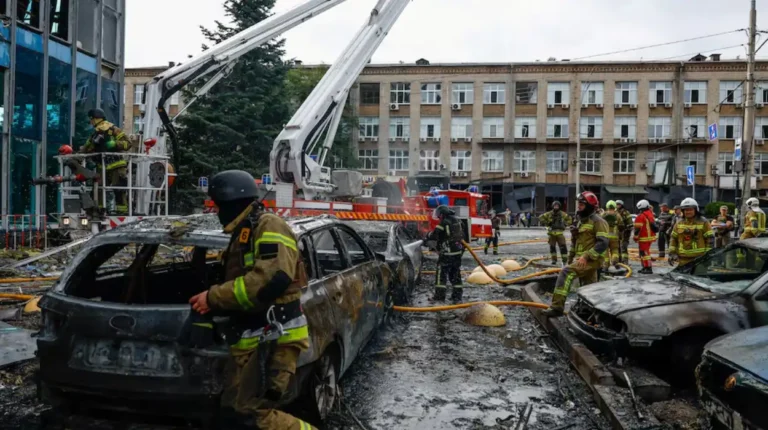
A ceasefire involving Iran, the United States and regional actors would have to address more than direct US-Iran military activity. The conflict has affected several theatres, including Yemen, where Houthi forces have intensified attacks against Saudi Arabia and threatened important maritime routes. Gulf states have also called for freedom of navigation through the region’s major waterways.
A durable ceasefire would therefore require clarity over what constitutes a violation and how attacks by aligned or allied groups would be treated.
Hormuz Is the Central Strategic Issue
The Strait of Hormuz is arguably the most important element of the emerging diplomatic framework.
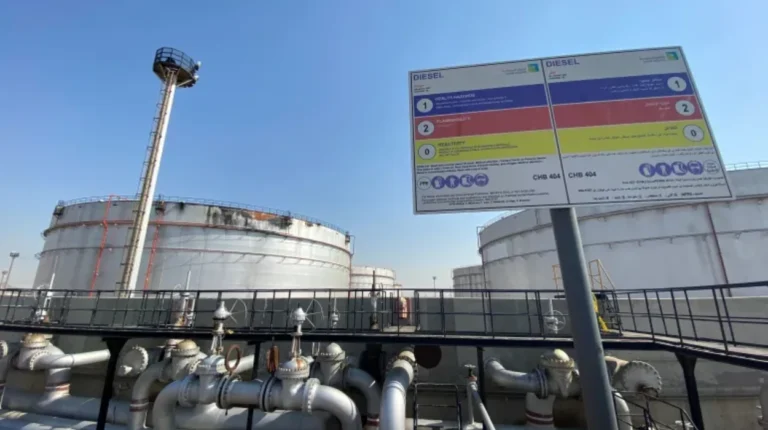
The waterway connects the Persian Gulf with the Gulf of Oman and is critical to global energy transportation. Disruption there has already affected oil markets and commercial shipping, making its reopening a matter of international economic importance rather than simply a bilateral US-Iran issue.
Iran has reportedly proposed a phased reopening as part of its diplomatic roadmap, while the United States continues to maintain a maritime blockade against Iranian ports.
The question is therefore not simply whether Hormuz will reopen.
The more complicated issue is under what conditions it will reopen and who will monitor compliance.
Iran has an interest in restoring commercial traffic because the continued restrictions constrain its own economy. The United States has an interest in restoring freedom of navigation but also wants to ensure that reopening the waterway does not simply remove one of its principal sources of pressure on Tehran.
This makes maritime access a potential bargaining instrument.
The Blockade Creates a Difficult Bargaining Equation
Washington’s maritime pressure has created significant leverage, but that leverage also carries wider costs.
Gulf states have called for the restoration of navigation through the region’s critical maritime routes, while disruptions have contributed to volatility in energy markets and global supply chains.
The United States therefore faces two connected considerations.
Maintaining pressure can strengthen its negotiating position with Tehran. But prolonged disruption of commercial shipping can also affect partners and international markets.
For Iran, the calculation is similarly complicated. Maintaining restrictions around Hormuz provides leverage over Washington and regional opponents, but prolonged disruption risks damaging Iran’s own commercial interests and deepening international pressure.
That creates an incentive for both sides to explore a controlled mechanism for reopening the waterway without presenting the move as a unilateral concession.
Tehran’s Public Position and Negotiating Position Are Different
Pezeshkian’s UN address illustrates another important feature of the current diplomacy.
His public message was uncompromising, with the Iranian president rejecting the idea that Tehran would surrender under American pressure. Yet he has separately indicated that Iran is prepared to reach an agreement if the United States is willing to negotiate within what Tehran considers acceptable international and legal parameters.
This distinction is important because negotiations require political space at home as well as agreement with the other side.
Iranian officials have also faced questions over the authority given to negotiators in New York. Gulf News reported that criticism emerged inside Iran over the talks, with questions about whether the discussions had received sufficient authorisation from Tehran’s policymaking bodies.
That introduces a second negotiating challenge.
Even if American and Iranian representatives identify a possible framework, they must still secure domestic backing for its implementation.
The Nuclear Question Remains Unresolved
The immediate focus on ceasefire arrangements and maritime access should not obscure the underlying nuclear dispute.
The conflict has its origins in a much broader confrontation involving Iran’s nuclear programme, sanctions, regional alliances and military capabilities. Any temporary ceasefire that does not eventually address these issues would leave the principal strategic disagreement unresolved.
The memorandum released by Washington in June provided an indication of the issues that have previously been placed on the negotiating table. It included provisions concerning the termination of military operations, sanctions, maritime access, Iran’s nuclear programme and a timetable for negotiations towards a final agreement.
This history matters because the current 60-day proposal does not emerge in isolation.
It follows previous attempts to establish a framework for ending the conflict. The difficulty is now to determine whether the parties can build sufficient confidence to prevent another breakdown.
Regional Actors Are Becoming Part of the Negotiation Equation
The US-Iran confrontation is no longer confined to Washington and Tehran.
Saudi Arabia and other Gulf states are directly affected by missile and drone attacks linked to the wider conflict. The Houthis have intensified pressure on Saudi territory and maritime routes, while Gulf governments have called for the restoration of safe navigation through key waterways.
Qatar has already played a mediating role in the latest US-Iran contacts. Pakistan and Egypt have also been involved in diplomatic efforts surrounding the reported roadmap.
This broader participation reflects the geographic reality of the conflict.
Any agreement between Washington and Tehran that does not address the security concerns of Gulf states and the activity of regional armed groups could prove difficult to sustain.
For regional governments, the objective is not simply an end to direct US-Iran fighting. It is also the restoration of predictable trade, energy exports and maritime security.
The Houthi Front Complicates Any Ceasefire
The situation in Yemen is particularly important.
The Houthis are widely viewed as aligned with Iran, although Pezeshkian has rejected the characterization that Tehran directs their actions. In a recent interview, he said the Houthis were responsible for their own decisions and described the relationship with Tehran as non-systematic.
That creates a major practical problem for any regional ceasefire.
If Washington and Tehran reach an agreement but Houthi attacks continue, questions will immediately arise over whether the ceasefire is functioning.
The issue is even more complicated because Houthi forces have expanded their ability to threaten Saudi Arabia and maritime routes around the Red Sea. This means that the implementation of a US-Iran agreement could depend partly on developments beyond the direct control claimed by either negotiating government.
Energy Security Is Driving the Urgency
The pressure surrounding Hormuz has transformed the conflict into an increasingly important global economic issue.
The Gulf states depend heavily on secure maritime routes for energy exports and imports, while major economies outside the region depend on those same routes for reliable energy supplies.
The disruption of shipping therefore creates effects that extend well beyond the immediate combatants.
The Gulf Cooperation Council has warned about the consequences of disruptions to Hormuz and Bab al-Mandeb, with officials highlighting the impact on global oil markets and supply chains.
For Washington, Tehran and regional governments, reopening the waterways could therefore become one of the clearest measurable indicators that de-escalation is actually taking place.
But reopening them too quickly, without an enforceable security mechanism, could simply create conditions for renewed disruption.
The Main Challenge Is Implementation
The most difficult stage of the current diplomacy may begin if Washington and Tehran actually agree on the broad outline of a ceasefire.
A written framework would need to establish who stops what, when each measure begins, how maritime access is restored and what happens if one side alleges a violation.
The sequence of implementation could become decisive.
Iran has reportedly linked the reopening of Hormuz to the lifting of the US blockade, while Washington has maintained pressure and called for evidence of Iranian willingness to de-escalate.
This creates a classic sequencing problem.
Tehran wants concessions before surrendering one of its major sources of leverage. Washington wants evidence of compliance before surrendering its own leverage.
Unless both sides can establish a mechanism in which concessions occur simultaneously or through independently verifiable stages, the negotiations could remain stuck.
The Broader Strategic Implications
The current US-Iran diplomacy represents a potentially important shift from a predominantly military confrontation towards a contested negotiation over the future security architecture of the region.
The reported 60-day roadmap provides a possible framework, but it does not resolve the fundamental disagreements between Washington and Tehran. The most difficult questions concern the sequence of military de-escalation, the lifting of the US blockade, the reopening of the Strait of Hormuz, Iran’s nuclear programme and the role of regional partners and armed groups.
Pezeshkian’s UN rhetoric demonstrates that Tehran is seeking to negotiate without appearing to surrender. Washington, meanwhile, is attempting to preserve leverage while keeping diplomacy available. The gap between those positions remains substantial.
The next stage will therefore depend less on public statements than on whether both sides can convert the reported roadmap into verifiable steps.
If maritime access begins to reopen, military activity declines and negotiations continue beyond the initial ceasefire period, the diplomatic process could develop into a broader settlement framework. If those steps fail to materialise, Hormuz will remain both a strategic pressure point and a potential trigger for renewed escalation.
The central issue is consequently not simply whether Washington and Tehran can agree to stop fighting. It is whether they can establish a sequence of reciprocal actions that makes de-escalation sustainable while addressing the wider regional security and economic consequences of the conflict.