The annual meeting of international leaders in Germany has ended, but many of the world’s most pressing problems that were addressed at the conference have yet to be solved. The Munich Security Conference has been a prestigious forum for several decades where leaders, politicians, journalists, and activists discuss the most pressing questions of the world.
In recent years, the conference has witnessed historic speeches that have changed the face of international politics. These include a serious rift between NATO allies on Iraq in 2003, Vladimir Putin’s speech in 2007, which symbolized the start of a new Cold War era, and JD Vance’s scathing attack on European nations in 2025. All these events continued to affect international politics even after the conference was over.
As attention turns away from this year’s gathering, several key questions remain in focus.
Will Europe “Wake Up” to a Shifting Global Order?
Following the shock attack on their values by the US vice-president in 2025, many European leaders came to this year’s conference with a sense of urgency. Prior to the conference, French President Emmanuel Macron stated that
“Europe needs a moment of awakening. Europe must acknowledge the new reality.”
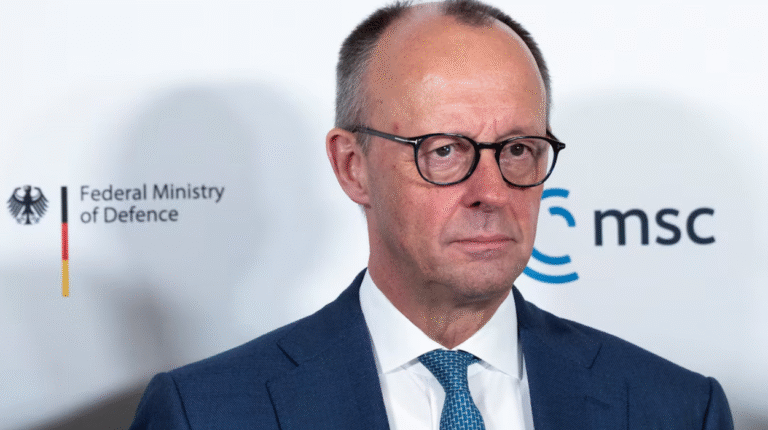
Macron and German Chancellor Friedrich Merz set out a vision of an independent European future while trying to maintain a relationship with Washington. Both leaders announced that talks had begun on the establishment of a European nuclear deterrent.
On Saturday, UK Prime Minister Keir Starmer called for greater defence cooperation with Europe, saying that the UK was not in the “Brexit era” anymore. “Europe is a sleeping giant,” Starmer said, adding that greater defence cooperation between the UK and Europe would not affect the UK’s relationship with the US or NATO.
Can the United States and Europe Stay United?
US Secretary of State Marco Rubio took a more diplomatic approach than JD Vance’s aggressive position in 2025 when he spoke at the conference on Saturday. Rubio said that the US and Europe were “tightly intertwined” and that their “futures would remain inextricably linked.”
Rubio said that the Trump administration sought to “shape a new global order” and that while the US was “willing to do this alone if necessary,” it would rather do so in “partnership with Europe.”
His comments came after a YouGov poll revealed that support for the US among six major European countries had reached its lowest point in a decade. In his speech on Friday, Merz admitted that there was a rift between Europe and the US.
He condemned the cultural politics of the Maga movement as not being in line with European values, and reiterated that Europe stood for free trade and not tariffs and protectionism, as he received applause from the audience.
The EU foreign policy chief, Kaja Kallas, condemned the trendy euro-bashing in the US, saying that many countries in the world still respected Europe for its values.
Does Trump Still Want Greenland?
Danish Prime Minister Mette Frederiksen and Greenland’s leader Jens-Frederik Nielsen held a brief meeting with Rubio on Friday on the sidelines of the conference, which Frederiksen described as constructive.
However, the following day, Frederiksen said during a panel on Arctic security that she believed Trump still wanted to acquire Greenland, despite having softened earlier threats to seize it by force.
She stated that the issue was not over and that concerns remained.
A trilateral working group involving the US, Denmark, and Greenland has been formed to address Washington’s security interests in the Arctic. Nevertheless, Frederiksen and Nielsen said the pressure placed on Greenland’s population had been unacceptable.
Is Peace in Ukraine Any Closer?
Rubio did not attend a Ukraine-focused meeting with European leaders on Friday and spoke minimally about the war in his conference address. Still, he met Ukrainian President Volodymyr Zelenskyy on the sidelines of the event.
The US is scheduled to host a trilateral meeting involving both sides of the conflict on Tuesday. In his conference speech, Zelenskyy stated that Ukraine was doing everything possible to end the war but insisted that meaningful security guarantees were essential for any agreement.
He criticized frequent discussions of concessions that focused only on Ukraine, arguing that such negotiations must not be one-sided.
Zelenskyy said Ukraine required security guarantees from the US for at least 20 years before signing a peace agreement and also demanded a clear timeline for Ukraine’s EU membership.
Which Future Democratic Contenders Were Present?
Over the years, the Munich Security Conference has become a platform for potential US presidential candidates to showcase their foreign policy credentials.
This year, several prominent Democrats attended, urging European leaders to resist Trump’s policies. California Governor Gavin Newsom, Arizona Senator Ruben Gallego, and Michigan Governor Gretchen Whitmer were present. However, New York Congresswoman Alexandria Ocasio-Cortez attracted the most attention, with speculation growing about a possible presidential run in 2028.
She outlined what she described as an alternative left-wing foreign policy vision and accused Trump of dismantling the transatlantic alliance and pushing the world toward authoritarianism.
When asked whether the Democratic Party’s future nominee should reconsider military aid to Israel, Ocasio-Cortez said that providing unconditional assistance regardless of actions was not a logical approach.