Pakistan and European Union (EU) officials had their 9th Counter-Terrorism Dialogue in Brussels and discussed regional and international matters, such as the Middle East and Afghanistan situation, the Pakistani foreign office said.
The talks are a component of the overarching 2019 Strategic Engagement Plan between Pakistan and the EU aimed at increased bilateral interaction on issues of security as well as cooperation in the regional sphere. They reflect a joint commitment to taking on the mutating challenges of militancy.
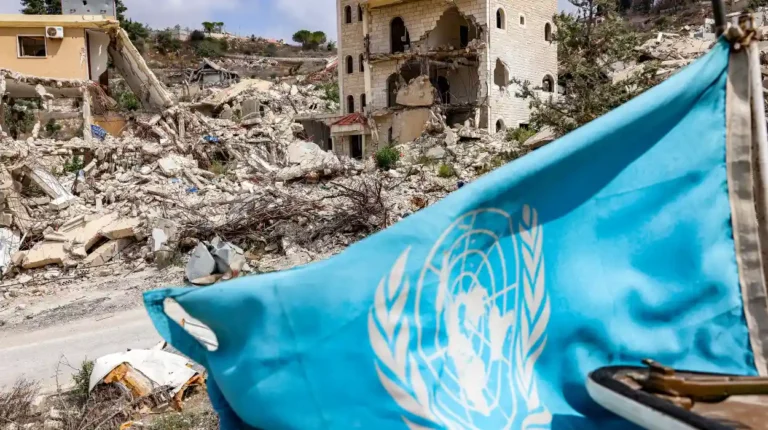
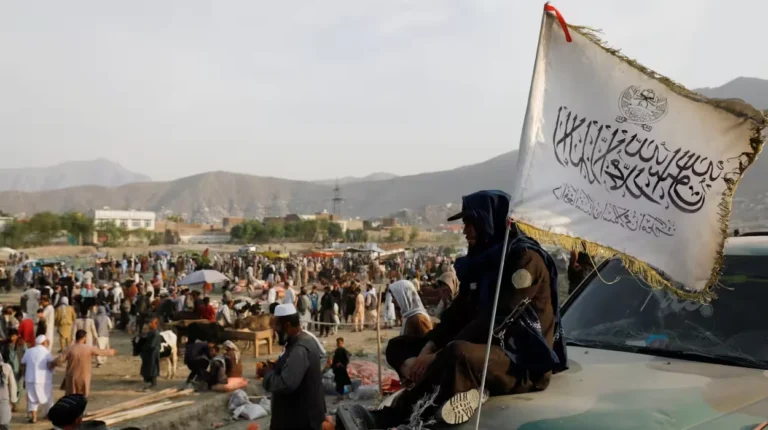
The action follows the backdrop of unrest in the Middle East following Israeli military attacks on several regional countries, including the Gaza conflict, and fears by some nations, including Pakistan, about the return of extremist forces in Afghanistan.
Pakistan has again urged Israel and global powers to impose a lasting ceasefire on Gaza and the withdrawal of Israeli troops from Lebanon and Syria. Islamabad has also blamed Afghanistan for harboring militant groups as militancy surged in Pakistan’s western areas recently, a charge that Kabul has rejected.
“The European Union and Pakistan condemned terrorism in all its forms and confirmed their steadfast commitment to fight it. The Dialogue allowed for an exchange on regional and global challenges, including the security implications of the situation in Afghanistan and in other areas, like the Middle East,” the Pakistani foreign office said in a statement.
“Both parties confirmed the importance of a strong cooperation with international partners in multilateral fora. This includes the work in the United Nations’ framework and in the Global Counter-Terrorism Forum, which the EU has been co-chairing since 2022.”
Abdul Hameed, director-general for counter-terrorism at the Pakistani foreign ministry, led the Pakistan side, while the EU delegation was headed by Maciej Stadejek, director for security and defense policy at the European External Action Service.
“The European Union and Pakistan also discussed areas for exchange of best practices and for concrete cooperation, with a focus on common actions on prevention and countering of violent extremism, recruitment and movement of foreign fighters, offline and online radicalization, combating terrorism financing and more topics that are relevant to address the growing challenges posed by terrorism,” the foreign office added.