One of the main goals of the Shanghai Cooperation Organization (SCO) is political cooperation and security assistance and combating terrorism. The condition of counter-terrorism cooperation between SCO member states is due to the elements of terrorist activities in the area, which include the international reach of terrorist associations and the diffusive nature of terrorist activities. The SCO has demonstrated sound legal foundations for cooperation between member states that control the Regional Anti-terrorist Structure of SCO (RATS). The member states manage counter-terrorism issues within the political, diplomatic, military and judicial spheres, with a special focus on security information.
On April 2024. within the framework of Kazakhstan’s presidency in the Shanghai Cooperation Organization, a panel of defence ministers was held. Chiefs of defence departments of the SCO member states, the Secretary-General, the Director of the Executive Committee of the SCO Regional Anti-Terrorist Structure, as well as the Minister of Defense of Belarus, took part in the discussion. The sides debated topical issues of international and regional security in a traditionally friendly and constructive manner and determined steps to develop collaboration between defence agencies.
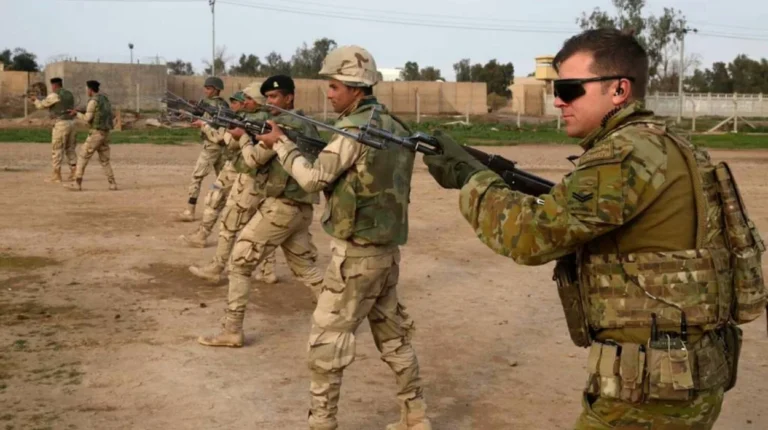
Additionally, it was reported at the meeting that the SCO is not a military-political bloc, and military partnership is not directed against other countries. The meeting’s activities are concentrated on strengthening confidence-building steps in the military sphere and coordinating efforts to counter challenges and dangers to regional security. In this connection, the necessity of persisting the joint military counter-terrorism exercise Peace Mission was reported.
To facilitate the activities of the Armed Forces of the organization’s member states, the leaders of the defence departments agreed to design interaction between military history museums.
Colonel General Ruslan Zhaksylykov, director of Kazakhstan’s defence ministry, drew the participants’ engagement to the historical aspect of the organization.
“If we go back to the origins of the SCO, it should be noted that the basis for its creation was laid by the Agreement on Strengthening Confidence-Building in the Military Field in the Border Area of April 26, 1996 (Shanghai Agreement) and the Agreement on Mutual Reduction of Armed Forces in the Border Area of April 24, 1997 (Moscow Agreement),” he stated.
Further, Kazakhstan’s Defense Minister suggested developing and adopting an agreement on confidence-building steps for all SCO states within the framework of the organization, delivering mutual visits to military units voluntarily and furnishing information on major military exercises, leadership, and the system of defence agencies. The conference resulted in the signing of a protocol, several documents handling cooperation, and the adoption of a joint communiqué. Kazakhstan’s Minister of Defense and the Secretary General of the Shanghai Cooperation Organization produced a joint statement after the event.