The Kurdish Question Revisited: Stateless Nations and Permanent Security Tensions

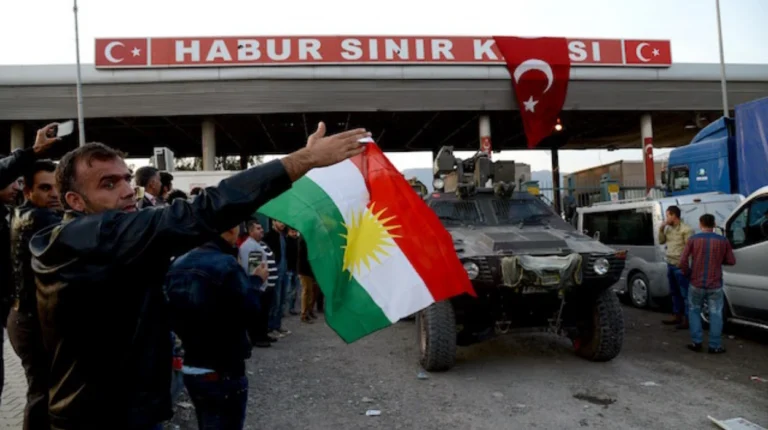
The Kurdish question continues to act as a structural force in the politics of the region at least a century after the Treaty of Lausanne demarcated the modern Middle East without giving Kurdish statehood. The Kurds cover the territory of Turkey, Iraq, Syria, and Iran and can be considered one of the largest stateless countries […]
Analyzing the Political Motives Behind Israel’s New Terrorism Death Penalty Bill

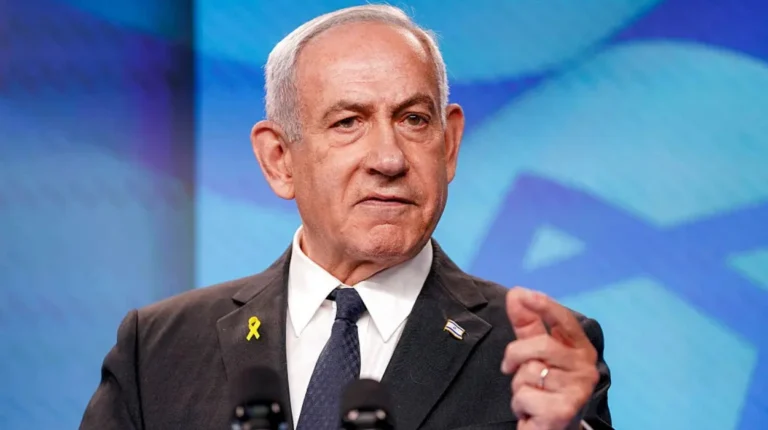
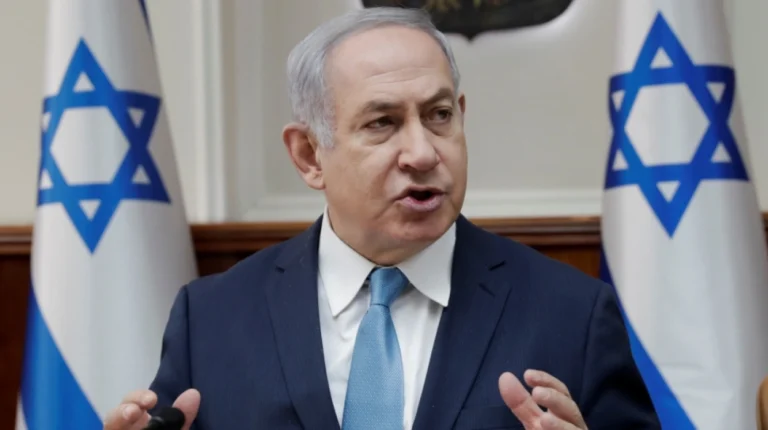
Israel moved forward with legislation that would enable the death penalty for those convicted of terrorism under nationalist motives. Advanced by the National Security Committee and driven by the far-right Otzma Yehudit party, the bill introduces sweeping changes to Israel’s military judicial system. The proposal allows death sentences through a simple majority vote in military […]
When Counter-Terrorism Enables Repression: Examining Saudi Arabia’s Use of UN Frameworks

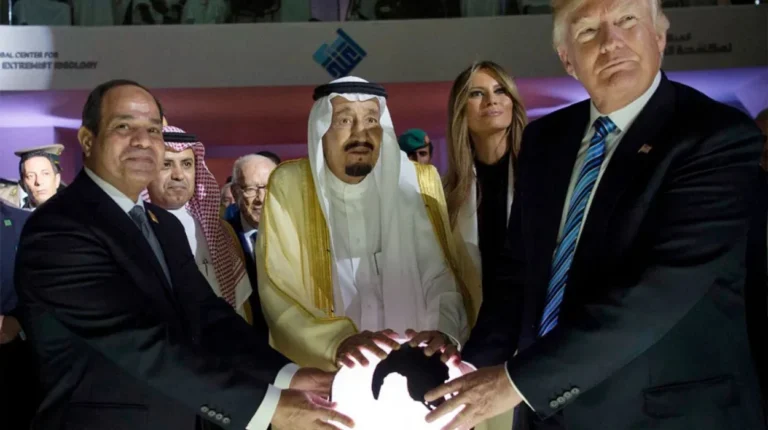
The dynamic of 2025 in Saudi Arabia between the United Nations counter-terrorism system and Saudi Arabia symbolizes that a rising conflict exists between the goals of global security and human rights. Being a key financial contributor and a strategic partner in the United Nations Office of Counter-Terrorism (UNOCT) and the United Nations Counter-Terrorism Centre (UNCCT), […]
Digital Authoritarianism: Surveillance States and Cyber Repression in the Middle East

In the Middle East, digital authoritarianism has become more pronounced in 2025 as the increasing dependence on surveillance infrastructure, cyber-policing tools, and algorithm-based surveillance is being used to apply political pressure. Gulf-based and Iranian governments have developed digital surveillance networks which are a combination of modern cyber espionage and conventional state security systems. These governments […]
Militarised Religion: The Role of Clerics in Middle Eastern Insurgencies

With the changing nature of the insurgencies in the Middle East, clerics continue to play the key role of justifying violence in the pursuit of religious legitimacy. Laws that derive fatwas as opinions based on Islamic jurisprudence are moral tools that represent wars as holy retaliation as opposed to political insurrection. The situation remains the […]
Iran’s Role in Leading SCO Anti-Terrorism Exercises: Regional Security Implications

The fact that Iran hosted and headed the Shanghai Cooperation Organization (SCO) bi-annual anti-terrorism drill, called Sahand-Counterterrorism-2025 and which is to take place in December 4, near Tabriz, highlights how Tehran is increasingly influencing the formation of the changing security order in Eurasia. The exercise is the second SCO-wide anti-terrorism exercise after the 2024 ones […]
Post-Petroleum Middle East: Security Implications of Energy Transition

The world is moving towards the use of non-fossil fuels and this has placed the Middle East at an important crossroads. As hydrocarbon exports form a structural element in the economy of most regions, the rapid shift to renewable energy is posing a direct threat to economic stability. With oil and gas demand bogging and […]
Drone Swarms and Non-State Warfare: Middle East as Laboratory for Future Conflict

Next-generation military technologies, especially the use of swarms of drones by non-state actors, have proven themselves in the Middle East. These groups of militias up to terrorist networks are currently using coordinated fleets of unmanned aerial vehicles (UAVs) to hire surveying, collect data, and carry out precision attacks. The balance of power in the region […]
How Kuwait’s AML/CFT Framework Shapes Gulf Security Cooperation Against Terrorism?

The Anti-Money Laundering and Countering Financing of Terrorism (AML/CFT) framework of Kuwait is becoming a particularly central part of the collective response of the Gulf to counterterrorism. The legal rigor, financial prudence, and compatibility with international requirements that seek to disastrously place terrorist actors out of business form the foundation of the framework. Ministerial Resolution […]
Iran’s Stance: Arrest of Gaza Flotilla Activists Is an Act of Terrorism

Iran formally announced in October 2025 that the detention of 461 activists of Global Sumud Flotilla was an act of terrorism. The flotilla, which tried to fail Israel in its maritime blockade of Gaza was stopped by the Israeli naval forces in international waters. Among the group of passengers were 36 countries worth of activists, […]