The patterns of returning foreign fighters out of Syria are still based on altering the security dynamics of Eurasia in 2025. The Syrian war which attracted militants throughout Eastern Europe, Central Asia, and Caucasus generated a varied resource of fighters that had disparate motivations and loyalties. With stabilized control over the territory in Syria through the fragmented governance structures, the concept of the return of these fighters to the Eurasian states began to define the new trends in terrorism.
Thousands of people, who became members of ISIS, people who belong to the affiliate of Al-Qaeda, or other militant groups, possess the knowledge about improvised explosives, urban warfare, and secret communication systems. The re-entry of such agents, as security officials throughout Eurasia have warned, throws a new dimension of uncertainty in already tense political surroundings or economic pressure. In early 2025, one of the senior regional analysts noted that the proficiency being transferred to the local cells in Syria has altered the risk calculation of many Eurasian governments that have focused on the sophistication currently observable in disrupted plots in the region.
These displacement pathways of these warriors are voluntary or coerced to cross over with geopolitics, changes in border enforcement, and the growth of transnational extremists. Their mobility and ideological devotion will continue to feature in the broad development of the trends of terrorism in Eurasia.
Reintegration Challenges And Radicalization Risks
Retaliation of former militant forces is one of the most complicated politics of Eurasian states. Most of the returnees are faced by restricted employment opportunities, societal stigma and lack of trust in the community, which in turn may lead to reintegration or solidification of radicalism depending on the policies of the state.
Prosecution And Surveillance Difficulties
Governments lack adequate proof to prosecute those who carry out activities in foreign countries especially in disintegrated war-torn countries such as Syria. Courts in Russia, Kazakhstan, and Turkey have had a hard time handling cases that were based on untested battlefield witness statements or half baked digital tracks. This causes some of the returning people to be placed under extended surveillance straining the already straining security services.
Rehabilitation And Deradicalization Approaches
In 2025, several governments of Central Asia increased the number of rehabilitation facilities and sought to include psychological services, religious re-education, and job training. The rates of success are also quite numerous, as some participants successfully rejoin the world and others revert with the extremists groups. Co-ordination across Eurasia is also hampered by the lack of any standards.
Community-Level Vulnerabilities
When the returns have charismatic power, this can hasten the marginalized neighborhoods into radicalization. Their stories of struggle, loss and belonging are powerful recruiting mechanisms among the youth who feel the need to belong or have a sense of purpose. This phenomenon raises the question of radicalization centers in local areas that have low economies.
Shifts In Terrorism Tactics And Networks
The resurgence of militants has made significant changes in the trends of operations in the Eurasian terrorism landscape. The 2025 intelligence estimates of the region indicate that there is an increased sophistication of terminated plans and a shift in the choice of targets.
Evolution Of Attack Planning
The veterans of the battlefields bring to the table tactical innovations that they have learned in Syria such as decentralized command structures, encrypted communication networks and use of drone surveillance in reconnaissance. These improvements render detection and prevention hard to the security forces.
Hybridization Of Extremist Networks
Local grievances: ethnic tensions, political exclusion or socioeconomic differences are becoming increasingly integrated into the imported ideological forms of Syria. This hybridization forms organizations that are highly localized as well as transnational, extending to larger regions and making them flexible.
Rise Of Self-Radicalized Actors
Law enforcement officials throughout Eurasia detail a further increase in the number of people who are acting unilaterally yet guided by returnees who occasionally give remote instructions or offer ideological influence. The actors need very little resources, making it more challenging to intercept early warning signs.
Geopolitical Implications For Eurasian Security
The example of foreign fighters who come back to Syria is an illustration of how the localized conflicts can have a ripple effect on the geopolitically sensitive areas. In 2025, governments are redefining their counterterrorism principles to deal with the cross-boundary character of the menace.
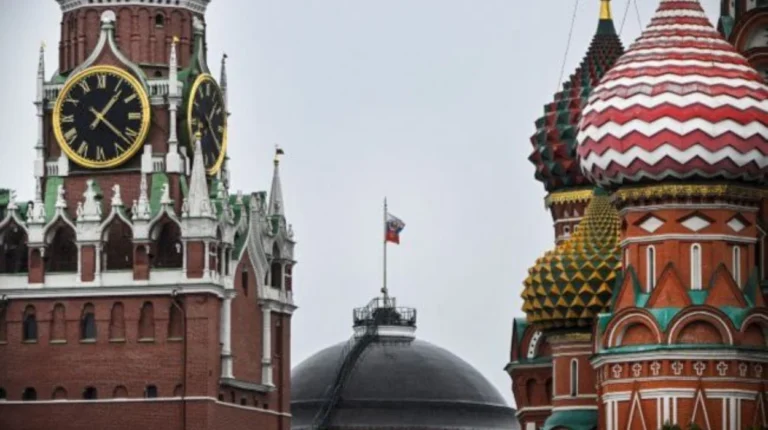
Russia is also concerned about the revival of the extremist networks in the North Caucasus and Volga regions. The toughened policies in early 2025 focus on quick reaction operations, computer surveillance and more frequent border inspections of those suspected of Syrian connections. The interests of Moscow also focus on the flow of fighters in Central Asia, which is the reason behind the deepening of the intelligence relations with the partners in the region.
Weak institutions such as porous borders, high labor mobility and scatter capabilities exist in central Asian republics. These reasons provide gaps so that returning militants can travel without notice or restart functional cells. Other states like Uzbekistan and Kazakhstan have broadened their association structures with both Russia and China by means of the Shanghai Cooperation Organisation so as to strengthen collective reaction.
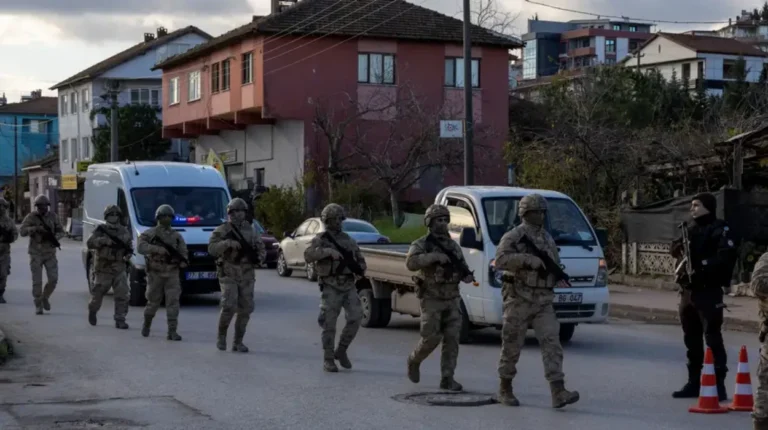
The geographic positioning of Turkey between Syria and Eurasia requires Turkey to strike a balance between domestic security, migration control and geopolitical balances. Its actions of holding, deporting or overseeing returnees have direct impacts on the downstream security relationships within the region.
The Role Of International And Regional Cooperation
A collaborative action is very necessary due to the fact that the foreign fighters are unlikely to be acting under the jurisdiction of one country. The states in Eurasia have intensified the intelligence sharing agreements and increased their surveillance of the financial dealings related to the extremist networks. However, there will still be loopholes in the alignment of legal definition of terrorism, the standardization of evidence gathering in foreign battlefields and the uniformity in dealing with returnees in 2025.
The international organizations such as the UN Office of Counter-Terrorism and the Global Counterterrorism Forum focus on integration in the forms of policing, control of the border, and community involvement and online counter-extremism tools. Non-governmental organizations are increasingly becoming involved in reintegration and prevention particularly in dealing with the needs of women and children related to foreign fighters populations which demand different support systems.
The movement of foreign fighters is becoming a long-term problem of regional security coalitions that goes beyond the Syrian war. The dynamism of extremist propaganda, which is enabled by generative technologies and cipher networks, requires the security agencies and legal systems to continuously respond to the ever-changing conditions.
The long-term effect of returning foreign fighters out of Syria on the dynamics of Eurasian terrorism even into 2025 strengthens the concept of the interconnectedness of conflict areas and local weaknesses. The paths of re-integration or radicalization again or transnational mobilization will shape the security landscapes in the next few years. It is still fundamental to understand the routes they have already cleared and the networks they have maintained to predict the changes that can characterize the political and security landscape in Eurasia in the future.