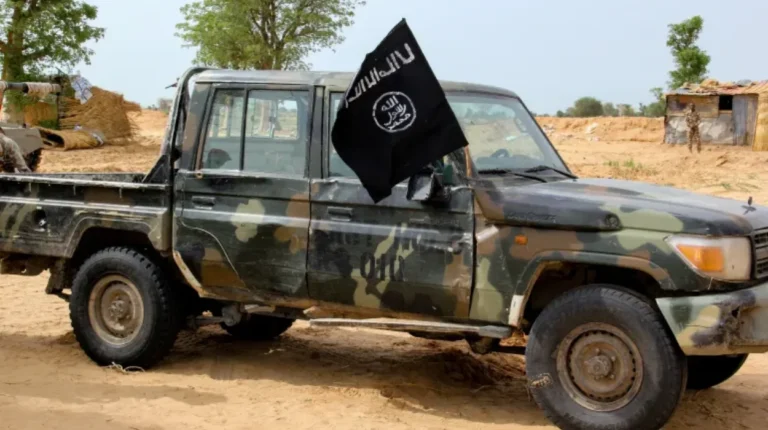
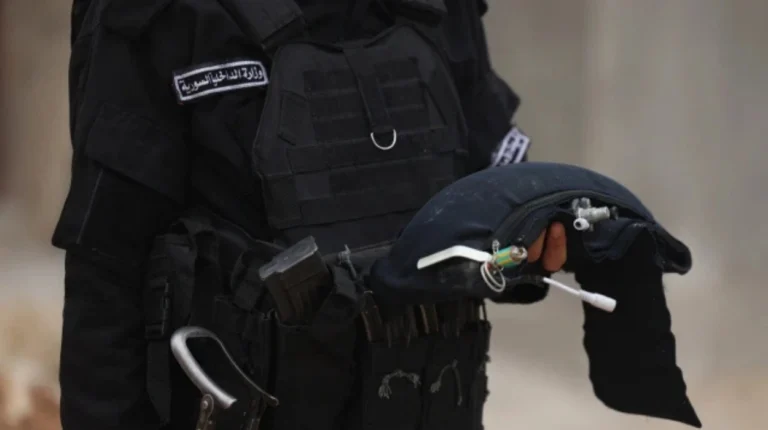
Iraq’s latest strike campaign in northern Kirkuk is more than a routine air operation; it is a reminder that ISIS remains a live security problem in Iraq’s disputed and rural belts. According to Iraqi and regional reporting, F-16 fighter jets carried out three airstrikes on remaining ISIS hideouts in Kirkuk province after a ground operation and armed clashes in the same area north of the city.
This attack took place in the broader Altun Kupri and Dibis area, which has often featured in reports about Iraqi counter-terrorism efforts because the rough terrain and lack of coordination in security efforts along with being near the contested borders could be exploited by the insurgents for their movements, hiding, and reorganization. The importance of this particular event is not only because of the use of airpower but also because of the fact that this attack was preceded by a direct clash on the ground between the two forces.
What the officials said
The Joint Operations Command said the F-16s launched three precision strikes against ISIS positions, while security-media reporting described them as “successful and precise airstrikes” against
“dens and hideouts of terrorist gangs”
in the Dibis district, backed by the US-led Global Coalition to Defeat ISIS.
بِسْمِ اللَّهِ الرَّحْمَٰنِ الرَّحِيمِ
— وزارة الدفاع العراقية (@modmiliq) July 4, 2026
{قَاتِلُوهُمْ يُعَذِّبْهُمُ اللَّهُ بِأَيْدِيكُمْ وَيُخْزِهِمْ وَيَنْصُرْكُمْ عَلَيْهِمْ وَيَشْفِ صُدُورَ قَوْمٍ مُؤْمِنِينَ}
صدق الله العلي العظيم
٠٠٠٠٠
بناءً على التخطيط والمتابعة الدقيقة، وبالتنسيق العالي والمشترك مع خلية الاستهداف في… pic.twitter.com/4D9cNUVFoP
The importance of language in this context is in conveying the success of the strikes not only in terms of their operations but also in the way they were politically orchestrated, indicating that what Baghdad intends to convey is the precision and intelligence behind the attack. As was stated in this particular media report, the operation had been preceded by five days of uninterrupted intelligence gathering and coordination between the Joint Operations Command targeting cell, the Iraqi National Intelligence Service, and the Counter-Terrorism Service.
The ground fight
These airstrikes happened after the start of a ground operation aimed at examining the sites hit on July 4th, which saw the Iraqi forces getting fired upon. This attack resulted in the death of an ISIS fighter and a first lieutenant from Iraq’s Counter-Terrorism Service, thus becoming yet another demonstration of the ongoing danger that is the conflict in Kirkuk for Iraqi forces. Another source reported that the ISIS fighter killed in this operation was named Falah Hussein Mohammed Thalij Al-Jubouri, who was born in 1984 in the village of Al-Aitha in the Al-Shirqat district of the Saladin province. According to the security sources, they were looking into his possible ties to other ISIS cells in the mountains bordering Kirkuk and Salah Al-Din provinces.
Why Kirkuk matters
Kirkuk is not just another battlefield on the ISIS map. It sits in a sensitive zone between federal Iraqi control and the Kurdistan Region, and security officials say coordination gaps in that border belt allow ISIS remnants to move and hide. One senior Iraqi official described the recent CTS operation in the mountainous belt north of Kirkuk as a “painful blow” to ISIS and credited the force’s readiness and professionalism.
That geography gives militants advantages that are hard to eliminate with airstrikes alone. Remote valleys, mixed jurisdictions, and inconsistent force deployment make Kirkuk a persistent safe corridor for cells that no longer control territory but still exploit weak seams in the security map.
ISIS after the caliphate
Though the group was stripped of its territory known as the “Caliphate” in 2017, it is still referred to by official sources as well as in news reports as an insurgency operating in the deserts and rural areas of Iraq, particularly Diyala, Kirkuk, Saladin, and Al-Anbar. It is worth noting that such a change in terminology is crucial since the group stopped acting as a state, and now the organization operates by carrying out ambushing attacks, hiding, and other similar activities. This is the reason why the event in Kirkuk must be viewed as a part of the broader attritional strategy pursued by ISIS.
The numbers behind the operation
In recent news, the attacks on Kirkuk were mentioned in relation to a bigger trend of Iraqi efforts against ISIS in 2026. During the first six months of the year, according to media sources, the Iraqi security forces have dismantled four terrorist groups, conducted 80 pre-emptive strikes and issued 479 arrest warrants based on the country’s Anti-Terrorism Law. All this points to a broader security effort rather than sporadic raids. The deployment of F-16s indicates that Iraq is counting on air power as an exacting weapon. Previously reported operations in Kirkuk and other regions indicate that Iraqi Air Forces frequently attack suspected ISIS hideouts in Kirkuk, Salah ad Din, and Diyala, including destruction of hideouts and confiscation of explosive devices during earlier attacks. In light of this, the current attack can be regarded as part of a pattern of repeated, intelligence-guided air strikes against militants persistently embedded in difficult territory.
Military and political signaling
The Iraqi government’s public framing is clearly designed to project competence and control. By highlighting coordination among the Joint Operations Command, intelligence services, the Counter-Terrorism Service, and coalition backing, Baghdad is signaling that counter-ISIS operations are now integrated rather than fragmented. That matters politically because security gaps in Kirkuk are often discussed not just as a military challenge, but as a governance and coordination problem between federal and regional forces.
The mention of coalition support also carries strategic weight. It tells domestic audiences that Iraq is still benefiting from international counterterrorism partnerships, even as it emphasizes Iraqi leadership in the operation. At the same time, the fact that an officer was killed in the process shows the cost of that campaign and the continued risk to elite Iraqi units.
What remains unknown
Despite the definitive tone of the information regarding the air strikes, there are certain ambiguities. The first account states that the type of planes involved in the first round of strikes on the supposed hideouts was unknown and neither were the casualties and damage sustained during the strike. Subsequent reports reveal that the F-16s took part in the three strikes and the final tally regarding the number of militants killed in the strikes will be known after an evaluation of the site. Such ambiguity is normal in counter-terrorism operations where battle field claims are made in phases – strike, followed by clash, followed by the casualty report and, finally, the destruction or damage of the hideout. For the readers, this implies that the only solid information comes from the Joint Operations Command and subsequent reports: three strikes by the F-16s, a ground clash that ensued, one ISIS militant killed, and one CTS officer killed.
The larger security picture
The case of Kirkuk illustrates yet another aspect of ISIS in Iraq: The organization remains weakened, divided, and defeated, but not defeated. The Iraqi forces now have to fight an insurgent movement that operates in border areas, mountain regions, and in rural road networks where there can be a lack of presence and intelligence becomes the key. That is precisely the reason why the dossier on Kirkuk continues to feature the same issues. As long as ISIS manages to operate from those territories, Iraq can remain dependent on raids, airstrikes, and intelligence operations.