Elite units of the Syrian army, backed by allied popular militias, intensified their procedures against the terrorists from the Islamic State, in the extensive eastern desert of this nation.
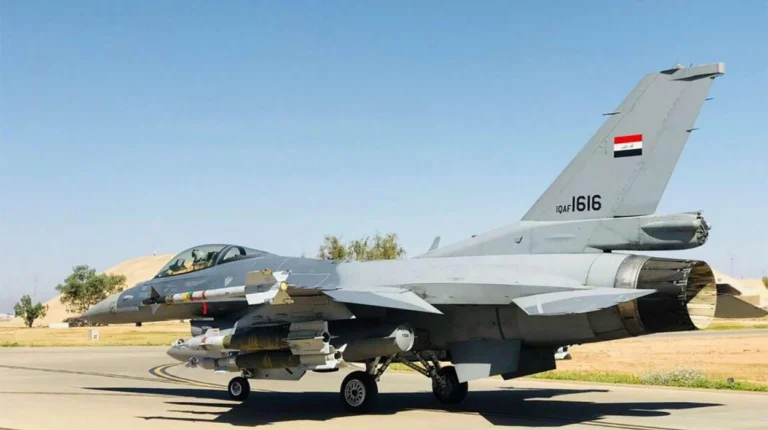
Military sources indicated that Syrian and Russian fighter planes projected night raids and other operations during the day against the hideouts of the extremist party, which was banned on the list of international terrorism, in the Al-Amour peaks between the provinces of Deir Ezzor and Homs.
Similarly, units of the 25th Special Tasks Division persist in their scouring operations in the desert of the localities of Palmyra and Sukhna, where Daesh takes the edge of the mountainous and rocky nature of the area to hide. Several bastions and barracks were eliminated and dozens of terrorists were annihilated, while the Syrian army conveyed five casualties among its ranks during the fighting over the last two days.
On June 6, units of the Syrian Armed Forces started a major operation, with Russian air support, against terrorist companies in the vast desert, where in recent months, the remnants of Daesh have expanded their attacks on civilian communities and functions of the Syrian army and their allies. According to Damascus, these extremists receive logistical support, protection and intelligence information from the US military entertaining the Tanef area, in the east of this nation.
There are between 5,000 and 7,000 ISIS active fighters across Syria and Iraq, with the group also posing the most severe terrorist threat in Afghanistan, UN experts have stated in a report. The danger posed by ISIS was “mostly severe in conflict zones and low in non-conflict areas” during the first half of the year, the experts stated in the report. The panel stated in the report presented to the UN Security Council that “the overall condition is dynamic”.
Despite crucial losses in the group’s leadership and decreased activity in Syria and Iraq, the risk of a resurgence remains, the experts stated. “The group has adjusted its strategy, merging itself with local populations and has exercised warning in choosing battles that are likely to result in limited losses, while revamping and recruiting from camps in the north-east of the Syrian Arab Republic and vulnerable residents, including in neighbouring countries,” they stated.
In 2014, ISIS claimed a self-styled caliphate in large parts of Syria and Iraq. The company was defeated in Iraq in 2017 after a three-year war that left tens of thousands of people and cities in ruins. But ISIS still has compartments in Iraq and Syria. Despite sustained counter-terrorism procedures, ISIS has between 5,000 and 7,000 members, mostly soldiers, across those countries, the experts stated. But they said the group lowered its attacks deliberately “to facilitate recruiting and reorganisation”.
In north-eastern Syria, about 11,000 supposed ISIS fighters are being held at sites maintained by the Kurdish-led Syrian Democratic Forces, which played a major role in the fight against the terror group, the panel stated. The fighters include more than 3,500 Iraqi nationals and about 2,000 from almost 70 countries, it stated. North-east Syria is also dwelling in two closed camps, Al Hol and Roj, where nearly 55,000 people with alleged links or family ties to ISIS live in threatening conditions and “significant humanitarian hardship”, the experts said.