Tactics Institute for Security and Counter-Terrorism
London, 24 of April 2026
The Tactics Institute for Security and Counter-Terrorism strongly condemns and unequivocally denounces the actions of Iran in targeting Arab Gulf countries, critical energy infrastructure, and international maritime routes. These deliberate and sustained attacks constitute a grave threat to regional stability and global economic security.
Over the past decade, Arab Gulf states, including Saudi Arabia, United Arab Emirates, Kuwait, and Qatar, have faced a growing spectrum of asymmetric threats linked to Iranian regional activity. These have included missile and drone strikes on oil installations, sabotage of tankers, cyberattacks on energy infrastructure, and proxy-driven operations targeting airports, pipelines, and refineries, in violation of the Article 52, Additional Protocol 1 of the Geneva Convention.
In Saudi Arabia, repeated missile and drone attacks have targeted key oil processing and export facilities, most notably the Abqaiq–Khurais attack, which temporarily disrupted approximately 5% of global oil supply. Since then, dozens of attempted strikes have been intercepted or have caused localized damage, underscoring a sustained campaign against the Kingdom’s energy backbone.
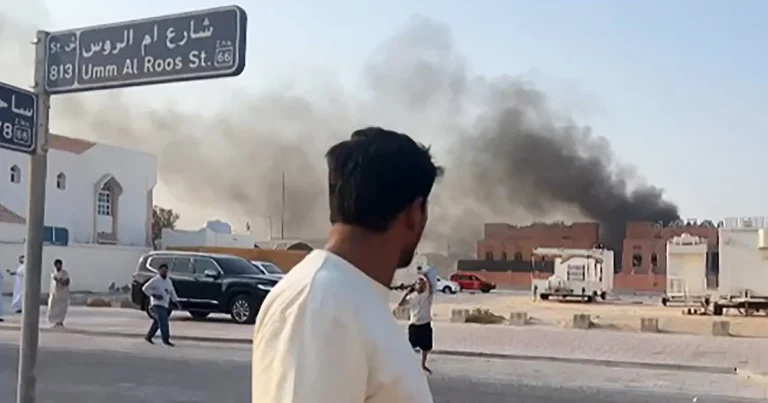
The United Arab Emirates has also faced direct threats, including drone and missile attacks targeting Abu Dhabi’s oil infrastructure and civilian areas. Residents in the UAE come from over 200 nationalities, where 85–90% of the population are expatriates,not citizens. These attacks, targeting a global financial hub, risk the global security and immediate diplomatic action should be taken never to happen again.
Kuwait and Qatar, while less frequently targeted kinetically, remain exposed to indirect threats, including cyber operations, regional destabilization, and risks to shared offshore energy infrastructure. Their strategic positioning within the Gulf and reliance on uninterrupted energy exports make them particularly vulnerable to disruptions stemming from regional escalation.
Beyond direct attacks, the broader pattern includes repeated incidents involving oil tankers, mining of vessels, and harassment of commercial shipping in and around the Strait of Hormuz. This vital corridor facilitates the transit of roughly one-fifth of the world’s petroleum supply and a significant share of global liquefied natural gas exports.
Maritime security attacks on UAE ports have further demonstrated the vulnerability of shipping lanes and logistics hubs critical to global trade. Those attacks aim to a sustained disruption that carries immediate and far-reaching consequences for international markets.
Recent escalations indicate a sharp intensification of these tactics, with multiple attacks on commercial vessels and energy-related assets reported across the Gulf. The cumulative effect has been increased insurance costs, rerouting of shipments, and heightened volatility in global oil and gas prices.
We call on Iran to immediately cease all hostile actions against Gulf countries and to guarantee the full and secure reopening of the Strait of Hormuz. The uninterrupted flow of oil and gas is not merely a regional concern it is a fundamental requirement for global economic stability.
At the same time, the Institute underscores that the current crisis has been exacerbated by broader geopolitical miscalculations. This conflict was not inevitable;
The United States, the European Union, and the BRICS countries have not brought the full weight of their diplomatic tools to bear. This is unacceptable. As civilian lives are lost, critical infrastructure is destroyed, and global trade is disrupted, the international community cannot remain confined to hollow statements. The absence of meaningful initiative risks reducing global actors to spectators in a crisis that came perilously close to triggering a wider war. Such attacks and the resulting regional destabilization must not become the new normal; they should remain a tragic exception.
The Tactics Institute for Security and Counter-Terrorism remains committed to advocating for de-escalation, the protection of critical infrastructure, and the restoration of lawful international order. We urge all stakeholders to return to diplomacy and to pursue coordinated solutions that ensure stability, security, and the uninterrupted flow of global trade.
Only through immediate de-escalation and renewed international cooperation can the risks posed by this crisis be contained and long-term stability restored.
Head of Research, Project Manager