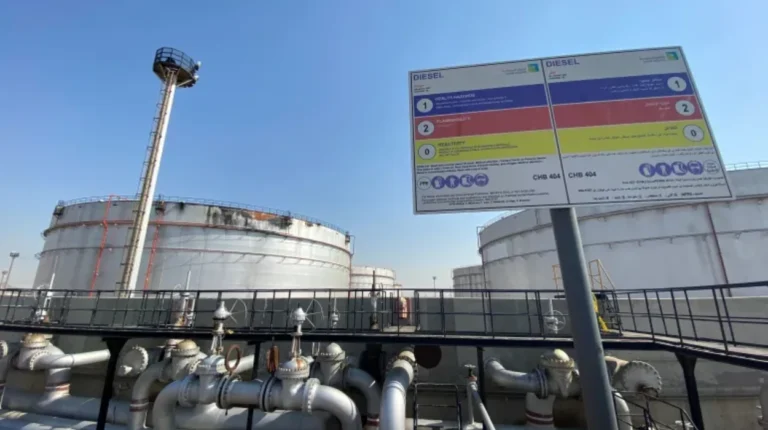
In light of the intensifying chaos that comes with a two-month-old war against Iran, the siege on the Strait of Hormuz has made this essential shipping lane incredibly dangerous and put at risk the whole idea of energy security for the world. This narrow channel where one-third of the world’s oil and gas is transported via sea—about 20 million barrels each day in regular conditions—has turned into a complete standstill since maritime movements have dropped from 129 ships passing through per day to just four since the onset of the war.
In addition to causing a disruption in oil transportation to countries that import huge amounts of oil such as those in Asia, the Strait of Hormuz is also the root cause of a series of economic shocks that affect fertilizer transportation as well as global food prices. As the United States continues to enforce a maritime embargo against the ports of Iran while trying to protect commercial ships that have been stranded, a ceasefire agreement hangs precariously at the edge of a gun, with recent reports of gunfire between the two countries, including attacks by the US military on Iranian oil tankers.
Latvia will support the Bahrain/US #UNSC draft resolution on the Strait of Hormuz.
— Baiba Braže (@Braze_Baiba) May 8, 2026
Iran’s destabilising actions undermine maritime security and contribute to a global energy and security crisis.
The #UNSC must uphold international law and safeguard the freedom of navigation.
Current Crisis Dynamics
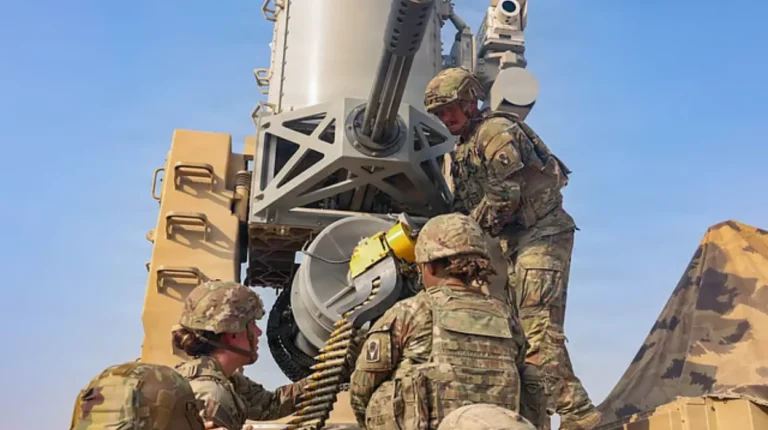
The Strait of Hormuz siege by Iran reached its peak intensity in May 2026 when it was confirmed that only 20 ships had been able to sail through the strait, compared to the previous record during times of peace. CENTCOM has been spearheading efforts to disable Iranian tankers and defend against their attacks, including those from drones and missiles, which they have claimed were self-defense measures. Video evidence from the battlefield shows US Navy warships engaged in gunfire exchange with Iranian ships.
Iranian leaders, however, have not shied away from their intentions, as evidenced by their announcement of new regulations concerning the Strait of Hormuz, which outright rejected any US attempts at clearing the waterway as acts of sovereignty infringement. According to President Masoud Pezeshkian, Iran will only negotiate regarding the matter of accessing the waterway once the United States lifts its blockade of Iranian ports. This has resulted in hundreds of ships and their crews being stuck in the Persian Gulf.
As the war surpasses the two-month mark, the US has pivoted to initiatives like Project Freedom, aimed at restoring safe navigation, though markets have shown little reaction, with oil prices remaining flat. General Jack Keane, a prominent military analyst, highlighted the dire next steps in a Fox News segment, warning of potential further escalations if Iran continues its aggressive posture.
The Boston Globe has reported how the proposed US ceasefire agreement seems to be unraveling as both sides continue to blame each other of bad faith. In its May 4 report, Al Jazeera mentioned how Trump’s plan to secure the strait did not have any impact on the energy market as OPEC+ increased their production by 188,000 barrels per day in June to ease shortages. The harsh truth on the water, however, is that there has been an influx of ship attacks, more than 18 cases according to BBC’s March reporting, which has blocked the strait.
Economic and Trade Disruptions
The siege on the Strait of Hormuz has caused a deep cut in global energy markets, causing the production of oil to fall globally by 14.5 million barrels per day against the average daily flow of 20-25% of oil via the strait. The oil, which is primarily shipped to Asian countries and Africa, had to be diverted through alternative routes.
In addition to oil and gas, nearly one-third of the world’s fertilizer transported by sea passes through the strait, increasing the cost of fertilizers and contributing to the rise in food prices globally. According to Farmdoc Daily at the University of Illinois, the impact of this local conflict spread to the entire world due to trade interdependencies.
Analysts from Goldman Sachs have highlighted the damaging impact that would be suffered by the oil and gas production if the siege persists. Despite being stable at a constant level, the price of oil is indicative of a fine balance between the steady increases from OPEC+ and the negative psychological effect brought about by the uncertainty.
In an assessment published by United Against Nuclear Iran on May 7, the current state of affairs in terms of shipping was illustrated by the absence of any insurance cover as well as reluctance from the owners of ships to operate in the waters. On top of that, there are the humanitarian issues, such as the indefinite wait faced by the crews who are stranded.
Military Stances and Escalations
In regard to the US side, the reaction to the Iranian attack on the strait of Hormuz has been firm and diverse. The recently reelected US president, Donald Trump, has been quite clear in asserting that
“the ceasefire is still in effect, but Iran will be faced with consequences for not accepting our offers”.
While his government commends precision attacks on the Iranian vessels, missile launchers, and ports, it should be noted that recently, two other Iranian vessels were targeted, an event captured on YouTube footage posted on May 7.
The operations by the CENTCOM forces have ensured protection from the missiles and drones by the US naval forces to the point where they safeguard the rare flow of commercial ships through the strait.
Iran, for its part, frames the US actions as aggressions against a sovereign nation defending its waters.
“The US must lift the blockade before we open the strait,”
President Pezeshkian declared, echoing state media claims that American strikes violate the truce. Live streams and reports from N18G on May 1 showed US Navy ships facing off against Iranian vessels, with Tehran announcing restrictions that effectively prolong the siege.
The escalation peaked with mutual fire exchanges, as detailed in multiple May 7 videos, including major US-Iran traded shots in the strait. Analysts like Gen. Keane foresee a powder keg, where any miscalculation could ignite broader regional conflict. Yet, both sides cling to the ceasefire’s threadbare framework, aware that full-scale resumption would devastate global stability.
Global Implications and Future Outlook
The siege of the Strait of Hormuz by Iran is no mere bilateral rivalry but an existential challenge for global order, where one in three of all international trade of petroleum and natural gas is at risk, leaving countries from China to India scrambling for supplies and European Union considering alternatives against the backdrop of sanctions.
For decades, the United Nations and International Energy Agency had warned about the vulnerability of this strait, where 20 million barrels pass daily in peace, but this situation has become a political weapon with the onset of hostilities, along with shortages of fertilizers through the same route, posing further dangers to food security.
As May 2026 unfolds, the siege’s endgame remains elusive. Trump’s insistence on strength contrasts with Iran’s unyielding stance, and market flatness belies underlying panic. A true resolution demands concessions: US blockade easing for Iranian strait access, perhaps under multinational oversight. Without it, the Iran’s Strait of Hormuz siege risks becoming the spark for wider chaos, reminding the world of chokepoints’ power to upend economies.
Shipping updates from May 7 suggest no imminent thaw, with attacks and blockades persisting. For now, the strait endures as a symbol of fragility—its perilous waters mirroring the turbulent state of global interdependence.