In an extraordinary escalation of the Trump administration’s crackdown on unauthorized disclosures, US government investigators subjected roughly 50 members of the Pentagon’s Joint Staff to polygraph tests in August 2026, seeking to identify who leaked classified details about dwindling US weapons stockpiles to the news media.
This action, which has been labeled by legal and military experts as something never seen before in the modern history of the US armed forces, highlights just how frustrated people are within the Pentagon because of reports that have revealed how difficult it is to manage scarce advanced weaponry used in the operations against Iran.
A Leak Hunt That Reached the Highest Ranks
The polygraph test came after the officers and the civilian staff in the Joint Staff, which is the nerve center of the Pentagon in charge of strategy and coordinating war efforts with the combatant commands across the globe. As reported in The New York Times and CBS News, during the test, investigators wanted to know whether the people being tested had revealed any classified information to the reporters and whether they had shared any details regarding the reduction of the US weapon stockpiles. Sources cited in CBS News said that none of those tested had failed when asked the question whether they had leaked to the press, making the test inconclusive, but not without delivering its message clearly. This test did not happen in vacuum; earlier in summer, “several dozen” other officials including those from US Central Command and other combatant commands were tested in connection with leak investigation related to Iran war and ammunition.
The Pentagon, for its part, declined to discuss specifics, with spokesman Sean Parnell stating,
“The Department does not comment on internal personnel or investigative matters but takes all leaks of classified national security information extremely seriously and investigates accordingly. Securing classified information is critical to ensuring the security of the United States and of our troops deployed around the world.”
The Trigger: Reporting on Munitions Shortfalls and Internal Dissent
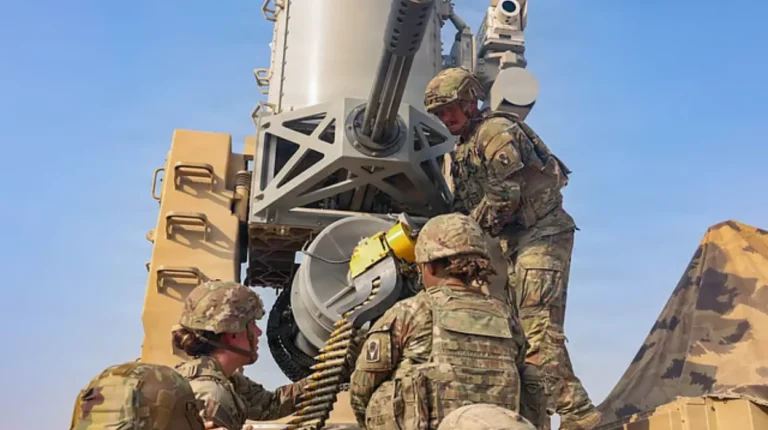
The direct trigger for the polygraph campaign came with a wave of articles over the summer of 2026 based on internal documentation and briefing that outlined how the ongoing active US military campaigns against Iran were swiftly depleting some of America’s most sophisticated and limited stockpile of munitions.
The reports included the dramatic depletion of certain long-range missiles and Patriot interceptors. Of equal concern within the Pentagon was the revelation of top commanders voicing their dissenting opinions regarding the speed and scale of the Iran campaign. As sources reported, the Secretary of Defense Orders Book (SDOB) is a classified document maintained by the Pentagon that enables senior military officials to note down their “non-concurs,” which is disagreement with a particular policy or operational decision. It was reported in multiple media outlets that at least four senior military commanders, including four-star commanders and service chiefs, had issued warnings to the Defense Secretary Pete Hegseth against extending any more Iran war operations as they were overstretching the forces.
The Pentagon publicly pushed back, insisting that weapons stockpiles remained sufficient, even as it intensified internal leak probes. But the damage, from the leadership’s perspective, had been done: sensitive assessments about operational tempo, munitions levels, and internal dissent had reached the public domain, complicating diplomatic messaging and, in the view of some officials, potentially aiding adversaries.
Hegseth’s Broader Crackdown on Leaks
The August polygraph tests sit inside a broader, months‑long campaign to deter and punish leaks that has accelerated under Defense Secretary Pete Hegseth and President Donald Trump. In July 2026, Hegseth announced a Pentagon–Justice Department joint task force to identify and prosecute suspected leakers, declaring,
“When a leak of department information occurs today, it’s critical that we provide the Department of Justice and other partners in federal law enforcement — including the FBI — with actionable information as quickly as possible… Leaked information risks lives.”
He also empowered the Pentagon’s Office of General Counsel to demand records and assistance quickly for leak investigations, with personnel instructed to respond within two days.
President Trump has demanded strict enforcement and even called the critical media coverage related to issues such as shortages of weapons and the management of the war against Iran as “treason,” according to media reports on the internal atmosphere. The attitude of the president has been transmitted to the lower levels of the bureaucracy, where even present and former officials attribute part of the atmosphere of distrust to the leadership style of Hegseth as well as the high turnover among top officials; in particular, it is reported that more than 80 generals, admirals, and officials have been dismissed or their career advancement blocked during his tenure. The polygraph operation had the purpose not only to locate the leakers but also to intimidate future disclosures, given the fact that even very high-ranking officials might be subjected to the test.
Why Polygraphs, and Why This Scale Is Unusual
Polygraph tests are not an innovation in the US defense and intelligence community. They have been routinely conducted for people who had the highest levels of clearance, such as “top secret” and “special access.” Nevertheless, testing several dozen top Joint Staff members at once is seen by lawyers and military experts as unprecedented in modern US military history. Under federal law and Pentagon policy, defense secretaries are authorized to conduct counterintelligence investigations using polygraphs, though there are some restrictions and controls.
Examinees should usually agree or ask for conducting polygraphs, and the secretary is required to make sure that polygraphs are used in a “responsible and effective” way and report on their usage to Congress. In this case, however, the FBI did not participate in conducting the polygraphs; it was done by the investigators of the military service. The scope and target group of the tests made it quite evident what the Pentagon intended to do. Concentrating on the Joint Staff – which is the heart of US military preparations – the Pentagon has shown that any leaking of information about the readiness level and munitions is viewed as a direct threat to national security.
Earlier Leak Tensions and Related Actions
This is not Hegseth’s first brush with polygraphs in a leak context. After the ouster of former Joint Chiefs Chairman Gen. C.Q. Brown, Hegseth was reported to have erupted over a leak about a classified China briefing planned for Elon Musk, at one point shouting that he would
“hook you up to a f—ing polygraph”
at acting chairman Adm. Christopher Grady (who was never actually polygraphed). Lt. Gen. Doug Sims, then director of the Joint Staff, was also threatened with a polygraph; Hegseth later decided against promoting Sims to four‑star, and Sims retired.
Separately, the Pentagon has taken other steps that critics see as part of the same crackdown. It pulled decades of classified documents from a secret network portal after Washington Post reporting on senior officers’ Iran war concerns. It imposed stricter access rules for Pentagon reporters, leading many outlets to surrender credentials rather than accept reduced access. It fired the top editor and publisher of Stars and Stripes after stories on deteriorating conditions aboard the USS Abraham Lincoln, which staff described as retaliation.
What This Means for the Military and the War
On a practical level, the initial finding would seem inconclusive, with dozens of people tested and yet no one failing on the specific leak questions, sources report. From a political and institutional standpoint, however, this step demonstrates an important point about the willingness of the Trump-Hegseth duo to employ aggressive internal tactics, including mass polygraphing of top officials, in order to control the flow of information in a period of active and highly visible dispute. At the same time, the incident draws attention to the balance between the need of the government to secure its classified data and the function of the media in providing information about the expenses and dangers of the current military action to the general public. The leaks concerning weapon shortages and top commanders’ dissents provided a unique look at the inside processes that influence American war strategy and the question of whether the public needs to know when scarce high-end weaponry is being depleted.
As the Iran war rages on and continued pressure mounts on the ammunition supplies of America, it would not be surprising to see the Pentagon continue to operate at full alert in anticipation of any more potential leaks. While the polygraph test did not identify an individual who committed the crime, it did set a precedent whereby even top-ranking members of the military are subject to lie detector tests under the guise of guarding classified information. Whether or not the precedent will act as a deterrent to any more future leaks or whether it simply drives the leak underground remains to be seen. What is evident is that a new, more contentious phase of the war of narrative control regarding the Iran war has begun.