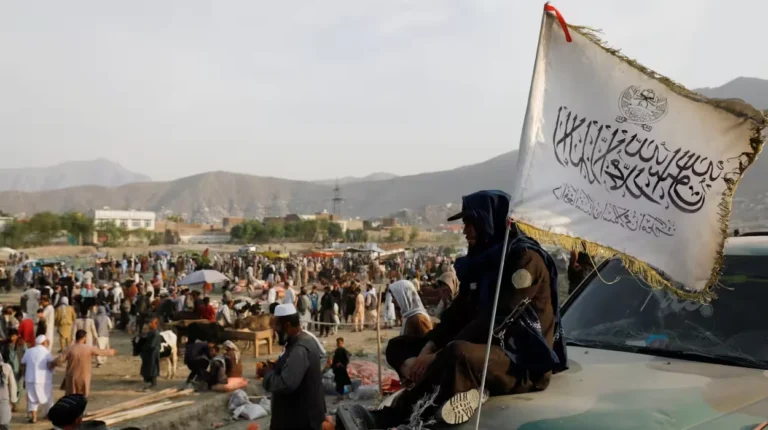
ISIS-K Horizons have expanded notably by 2025, reflecting a shift from a localized insurgent group in Afghanistan to a transnational militant network operating across multiple Asian subregions. Intelligence assessments indicate that the group has adapted to sustained pressure from Taliban forces by decentralizing its command structure and dispersing operational cells. This transformation has enabled ISIS-K to maintain resilience despite leadership losses and territorial constraints.
The organization’s strategic recalibration emphasizes high-impact attacks over territorial governance. By prioritizing urban centers and symbolic targets, ISIS-K maximizes media visibility and psychological impact. Multilingual propaganda, increasingly distributed in Central and Southeast Asian languages, demonstrates an intent to widen recruitment pools and embed the group’s ideological narrative across diverse communities.
Afghan Core Operational Base
Afghanistan remains the central node of ISIS-K activity, providing both ideological legitimacy and logistical infrastructure. The Post-2021 environment continues to offer operational flexibility, particularly in regions where governance remains uneven.
Northern Afghanistan Expansion
In 2025, ISIS-K has strengthened its presence in northern provinces such as Badakhshan and Takhar, where mountainous terrain complicates counterinsurgency operations. Reports from monitoring agencies indicate that training camps and supply depots remain active despite periodic Taliban raids. The recruitment of Central Asian fighters has further diversified the group’s composition, enhancing cross-border connectivity.
Attacks targeting local governance structures have disrupted administrative stability, reinforcing the perception of Afghanistan as a contested security environment. These operations are designed not only to weaken Taliban authority but also to demonstrate ISIS-K’s continued relevance.
Taliban Rivalry Dynamics
The rivalry between ISIS-K and the Taliban remains a defining feature of the Afghan security landscape. Frequent clashes in 2025 have resulted in significant casualties on both sides, yet neither group has achieved decisive dominance. ISIS-K’s ideological framing of the Taliban as insufficiently committed to global jihad sustains internal cohesion and justifies continued confrontation.
Captured weaponry and adaptive tactics have allowed ISIS-K to sustain operational effectiveness. This ongoing conflict prevents the consolidation of a unified security framework within Afghanistan, indirectly enabling the group’s survival.
Pakistan Frontier Operations
The expansion of ISIS-K Horizons into Pakistan underscores the permeability of the Durand Line and the interconnected nature of militant ecosystems in the region.
Khyber Pakhtunkhwa Infiltration
Cross-border infiltration into Pakistan’s tribal districts has intensified, with ISIS-K leveraging existing militant networks to establish footholds. Urban centers have emerged as key targets, reflecting a broader shift toward high-visibility attacks. Security agencies note that these operations often involve collaboration with local factions, blurring organizational boundaries.
The persistence of local grievances provides an enabling environment for recruitment and concealment. This convergence of external influence and domestic vulnerabilities complicates counterterrorism responses.
Balochistan Maritime Probes
ISIS-K’s activities in Balochistan signal an interest in maritime and economic targets, particularly those linked to regional infrastructure projects. Attempts to disrupt port operations highlight the group’s strategic intent to undermine economic stability while attracting attention to its cause.
These developments indicate a willingness to experiment with new operational domains, including maritime routes, which present additional challenges for regional security frameworks.
Central Asian Recruitment Surge
Central Asia has emerged as a critical recruitment and operational corridor within ISIS-K Horizons. The region’s diaspora networks and geographic proximity to Afghanistan facilitate both recruitment and movement.
Tajik and Uzbek Networks
Recruitment efforts targeting Tajik and Uzbek communities have intensified, often leveraging online platforms and diaspora connections. By 2025, several incidents in Central Asia have been linked to individuals trained or influenced by ISIS-K operatives in Afghanistan. These networks enable the group to extend its reach beyond immediate conflict zones.
Financial support mechanisms, including informal transfer systems, sustain these networks and allow for the establishment of safehouses and logistical hubs across the region.
Threat to Regional Security Structures
Regional security organizations face challenges in addressing these cross-border dynamics. Differences in intelligence-sharing capabilities and strategic priorities limit the effectiveness of coordinated responses. The use of disinformation and digital tools further complicates efforts to maintain cohesion among member states.
Indian Subcontinent Reach
ISIS-K Horizons extend into the Indian subcontinent, where the group seeks to exploit existing tensions and vulnerabilities.
Kashmir Valley Cells
In Kashmir, ISIS-K has attempted to integrate into local militant ecosystems, combining its transnational ideology with regional grievances. Recruitment efforts increasingly target younger populations, often through digital platforms that facilitate prolonged engagement.
Security operations have disrupted several cells, yet the persistence of recruitment attempts highlights the adaptability of ISIS-K’s approach in complex conflict environments.
Southern India Incursions
Incidents in southern India suggest a broader geographic ambition, with small-scale cells attempting to establish operational presence. These efforts often rely on external support networks and digital coordination, reflecting the decentralized nature of ISIS-K’s strategy.
Southeast Asian Tendrils
Southeast Asia represents a key frontier in the expansion of ISIS-K Horizons, with established militant networks providing entry points for collaboration.
Philippine Moro Connections
In the southern Philippines, ISIS-K has reportedly engaged with local groups, offering tactical guidance and technical expertise. These interactions enhance the operational capabilities of regional actors while extending ISIS-K’s influence into maritime Southeast Asia.
The use of maritime routes for movement and supply highlights the strategic importance of archipelagic geography in facilitating cross-border operations.
Indonesian Archipelago Plots
Indonesia’s history of militant activity provides a foundation for ISIS-K outreach. Financial transfers and ideological messaging from Afghan-based operatives have supported localized plots, some of which were disrupted by security forces in 2025. The emergence of smaller, decentralized groups reflects a shift toward network-based operations rather than centralized command.
External Operations Projection
ISIS-K’s ability to project operations beyond immediate regions demonstrates the maturity of its transnational strategy. High-profile plots targeting major urban centers underscore the group’s intent to maintain global relevance.
The use of diaspora networks and digital communication channels enables coordination across continents. These capabilities allow ISIS-K to plan and inspire attacks without maintaining a permanent physical presence in target locations.
Technological Adaptation Levers
Technology plays a central role in the expansion of ISIS-K Horizons. The group has adopted commercially available tools to enhance operational efficiency and reduce barriers to entry.
Drones, encrypted messaging platforms, and cryptocurrency transactions facilitate coordination, funding, and execution of attacks. The integration of artificial intelligence into propaganda production further amplifies reach, enabling personalized messaging that resonates with diverse audiences.
These technological adaptations reflect broader trends in modern conflict, where non-state actors leverage innovation to offset conventional disadvantages.
Taliban Counter-Pressure Assessment
Taliban counterterrorism efforts have achieved partial success in disrupting ISIS-K operations, yet structural limitations persist. While targeted raids and intelligence operations have degraded certain capabilities, the displacement of militants into urban and cross-border environments complicates containment.
Amnesty initiatives and reconciliation efforts have had limited impact on core ISIS-K elements, which remain ideologically committed. The ongoing rivalry ensures that Afghanistan continues to serve as both a battleground and a staging ground for broader regional instability.
State Responses Fragmented
Regional responses to ISIS-K expansion remain uneven, shaped by political tensions and resource disparities. Bilateral mistrust, particularly between key South Asian states, limits the potential for coordinated action. In Southeast Asia, geographic complexity and varying institutional capacities present additional challenges.
Multilateral initiatives have achieved incremental progress, particularly in intelligence sharing and capacity building. However, gaps in implementation and coordination persist, allowing ISIS-K to exploit weaknesses in the regional security architecture.
2025 Operational Trends And Escalation Patterns
Operational patterns observed in 2025 indicate a sustained increase in both the frequency and geographic spread of ISIS-K-linked activities. High-profile incidents across Asia highlight the group’s ability to adapt tactics and exploit emerging opportunities.
These trends suggest that ISIS-K is transitioning into a more networked and flexible organization, capable of operating across diverse environments. The emphasis on symbolic targets and media impact reflects a strategic focus on influence as much as physical control.
ISIS-K Horizons continue to evolve as the group navigates pressure from state actors while exploiting regional vulnerabilities and technological advancements. As its reach extends from Afghan strongholds into Southeast Asian networks, the interplay between local grievances, transnational ideology, and digital innovation raises an unresolved question about which emerging corridor or alliance could next amplify its trajectory across Asia’s already fragile security landscape.