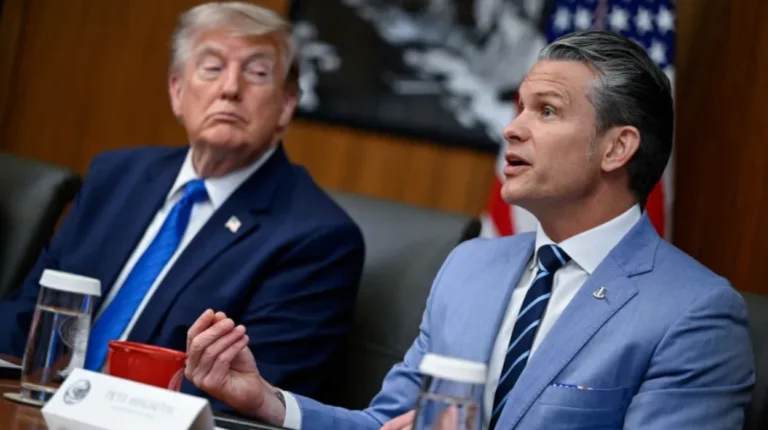
Many observers widely believe that the conclusion from the 2025 Munich Security Conference is that the United States, particularly during the Trump administration, is no longer ready to guarantee European security. It matters less whether this is true, as objected to being simply a tactic to encourage increased European defence spending unless, other than the fact that, for the first time, suspicion has been cast on the cohesiveness of the NATO alliance.
Emmanuel Macron, the French President, reacted to last week’s US announcements by hosting an emergency session of his European partners in Paris. While this spontaneous summit did not produce any major conclusions, participants did arrange on the need for the continent to take far more significant responsibility for its security. If US President Donald Trump’s purpose is to ensure bigger European defence appropriations, his strategy may be working.
Recently, a change in tone from across the Atlantic has definitely jolted many European heads out of their comfort zone. Still, understanding of the need for Europe to transform from a trading bloc to a military and geopolitical influence has actually been expanding for some time.
Analysts say Europe’s leaders do not stand alone in facing tough questions. US policymakers should also carefully evaluate the importance of a new European security strategy. The United States, the UK, Germany, and most of the new NATO nations in Eastern Europe have long resisted calls for a more autonomous European defence capacity. Their logic has typically been that an independent European command would damage NATO guarantees. It dilutes available military resources and creates a top-heavy bureaucratic system that would add nothing to the continent’s protection.
NATO is usually ruled by the US, with European armies generally agreeing to American weapons standardisation. There are arsing questions that could cause European defence manufacturing to threaten a challenge to US hegemony? How would the US respond if an autonomous European military force determined to act independently in a regional emergency, such as in 2020 when France dispatched warships to back up Greece and Cyprus against Turkey over Aegean gas field findings?
One of the last grand examples of the independent exercise of European power by Europe free from United States dominance was the 1956 Suez Canal Crisis, which demonstrated the possibility cost of deterioration of the transatlantic relationship.
US President Dwight Eisenhower called for Anglo-French withdrawal from Egypt, bringing about the shame and capitulation of British Prime Minister Anthony Eden. Meanwhile, during the Suez crisis, the Soviet Union overran Hungary, imposing a popular rebellion on the nation’s Kremlin-backed communist government. The isolated West did nothing to support the Hungarian freedom fighters.