This counter-terrorism mission, considered among the most important counter-terrorism missions undertaken in recent times, is said to involve the killing of 175 ISIL fighters by Nigerian forces in coordination with the United States. The mission was announced on Tuesday, May 19, 2026, and is considered a major blow to the ongoing struggle against the Islamic State’s West Africa Province (ISWAP), which is considered to be the most dangerous terrorist group in Nigeria.
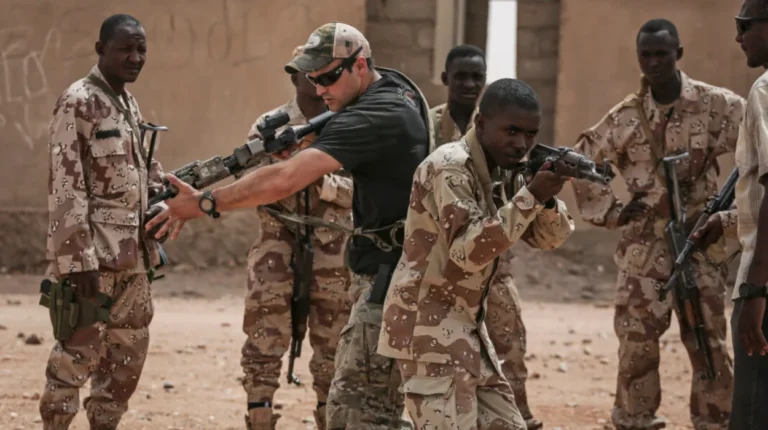
The Nigerian Defence Headquarters further stated that the attacks were aimed at ISIL bases, armories, logistics centers, checkpoints, and financial networks. This mission, which was carried out in close coordination with the U.S. Africa Command (AFRICOM), is a clear indication of the escalation of counter-terrorism cooperation between the two nations.
Presidency Nigeria, the official institutional account of the Federal Republic of Nigeria in a tweet said:
“Update on Nigeria–United States Joint Strikes on ISIS: Forces Delivered Devastating Blow, Eliminated 175 Terrorists.”
Update on Nigeria–United States Joint Strikes on ISIS: Forces Delivered Devastating Blow, Eliminated 175 Terrorists.@DHQNigeria pic.twitter.com/4ZDzwkX4j6
— Presidency Nigeria (@NGRPresident) May 20, 2026
The Scale and Scope of the Joint Operation
The offensive lasted for several days in the middle of May 2026, with several attacks being carried out on ISIL forces in the far northeastern area. According to Nigerian military sources, 175 militants associated with ISIL have been “neutralized” during this operation, based on intelligence up until May 6. The United States military reported that around 140 militants were killed in similar recent operations, with a somewhat different count methodology but with the same impressive size.
The first attacks were made following the death of an ISIS senior commander through a coordinated attack a day before May 18, while there were further attacks on May 18, where alone, over 20 ISWAP/ISIS fighters were killed. The attacks were specifically targeted against militant infrastructure, including weapon depots, bomb production sites, communication centers, and supply lines.
The attacks were not a one-off effort but a series of well-coordinated precision attacks against ISWAP, aimed at reducing their operational capabilities and disrupting their recruitment and funding efforts.
Official Statements and Military Confirmation
The Nigerian military’s official spokesperson, Major-General Samaila Uba of the Nigerian Defence Headquarters, provided the most detailed confirmation of the operation’s results. He stated:
“Intelligence as of May 6 indicates 175 ISIS terrorists have been eliminated from the battlefield.”
Uba further emphasized the strategic nature of the operation, noting that the joint strikes dismantled critical militant infrastructure:
“The joint strikes have destroyed weapons stockpiles, checkpoints, logistics centers, military assets, and financial networks used by ISIL/ISWAP.”
The Nigerian Army lauded the operation as part of an enduring campaign to hunt down insurgents wherever they operate:
“The Forces have consistently, over the years, hunted down and killed terrorists anywhere they are in Nigeria.”
This highlights the importance attached to the mission by the Nigerian military as a serious attempt at damaging the capabilities of ISWAP, as opposed to being a one-off tactical victory. In relation to the United States, the mission was launched with the authority of AFRICOM, which worked in conjunction with the Nigerian Defense Headquarters. It is important to note that the strikes took place as per the request of the Nigerian government, as stated by the Pentagon.
The Target: ISWAP and Its Growing Threat
The Islamic State West Africa Province (ISWAP), also known as ISIL’s West African branch, began its operations as a splinter group of Boko Haram but later developed into a more organized insurgent force with ties to the Islamic State across borders. ISWAP has been described by Nigerian military officials as
“the most formidable terrorist group linked to the Islamic State.”
ISWAP operates primarily in the Lake Chad Basin, targeting northeastern Nigerian states such as Borno, Yobe, and Adamawa, as well as parts of Chad, Niger, and Cameroon. The group is known for:
- Ambushes on military convoys and security outposts
- Suicide bombings and complex attacks on civilian centers
- Taxation and extortion of local populations
- Recruitment and radicalization networks across rural communities
The May 2026 joint strikes directly targeted these operational pillars, destroying not only fighters but also the logistical and financial backbone that sustains ISWAP’s campaign of violence.
Preceding Operations: Building Momentum Against ISWAP
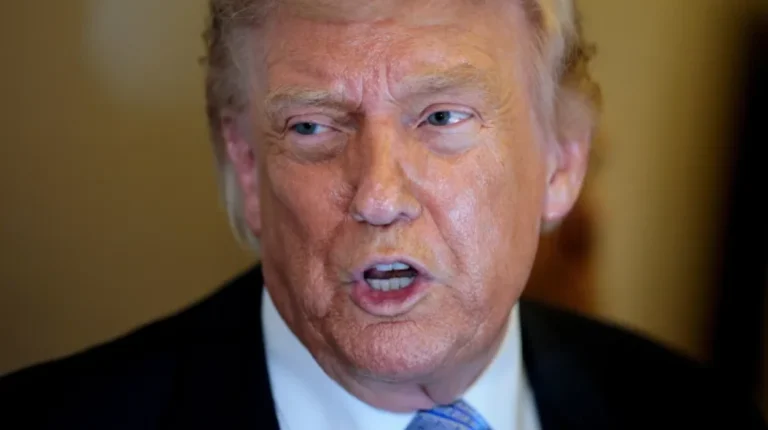
This mission was not done in isolation. It is preceded by a joint operation conducted by the United States and Nigeria in northwest Nigeria (Sokoto State) in December 2025, which was made public by President Donald Trump, who stated that it was a “deadly strike against ISIS” resulting in “the killing of several ISIS militants.”
The operation in December was referred to as a “joint operation against terrorists” and clearly stated that
“it is not linked to any particular religion.”
Such a statement was necessary because counter-terrorism operations are sometimes wrongly perceived to have religious affiliations in such regions, which can lead to conflicts. The operation in May 2026 continues with this trend by targeting the terrorist group in the Northeastern part of Nigeria, where ISWAP has its stronghold. The link between the two operations shows a shift in strategy from counter-terrorism to weakening ISIL in West Africa.
Strategic Implications for Nigeria and the Region
The death of 175 ISIL members within a relatively short period of time has far-reaching consequences on the security situation of Nigeria. First, the assault greatly weakens the military capabilities of ISWAP. The loss of 175 trained militants, including the senior commander, is no small feat. It is important to note that replacing such a number of casualties is extremely difficult in the context of an insurgency conflict.
Second, the military operation indicates an escalation of the US-Nigeria security relationship. The fact that the United States pledged to provide intelligence, air cover, and logistical support in the fight against ISWAP indicates a wider strategy aimed at containing ISWAP in order to prevent it from expanding its activities to the Sahel and West Africa regions. This collaboration is becoming more important considering the growing transnational nature of terrorist organizations in the region.
Third, the military strikes could tip the balance of power in the northeastern part of Nigeria. For a long time, ISWAP took advantage of weak government control, poverty, and displacement in order to conduct its terrorist activities. With the help of the military strike, Nigerian authorities will have a chance to regain control of these territories.
However, challenges remain. ISWAP is resilient and has shown an ability to regroup after major setbacks. The group’s deep roots in local communities, combined with the vast, difficult terrain of the northeast, means that sustained pressure will be required to prevent resurgence.
Civilian Impact and Humanitarian Considerations
Whereas the Nigerian army stressed the accuracy of the attacks and the focus on the militants’ infrastructure, it should be noted that the mission is taking place in a zone already plagued for more than a decade by an insurgency. This has left millions of civilians internally displaced and in need of humanitarian assistance.
It is important to note in this regard that the statement made by the Nigerian Defence Ministry that “the operation is not related to any specific religion” holds significant importance. This is because it would help in preventing the mission from being considered as an effort that was aimed at targeting any specific religious community. However, it should be noted that a military mission in such a fragile state of affairs can have certain consequences. These include the potential disruption of civilian supply chains as a result of targeting military weapons and logistics facilities. Similarly, the disruption of militant networks may trigger revenge attacks on civilians.
What Comes Next: Sustaining the Momentum
The joint operation’s success raises a critical question: what comes next? Killing 175 fighters is a major tactical victory, but long-term stability requires more than military strikes.
Nigeria will need to:
- Consolidate gains on the ground by expanding security presence in liberated areas
- Invest in community-based counter-radicalization programs
- Rebuild infrastructure and restore basic services in conflict-affected regions
- Strengthen intelligence-sharing with regional partners in the Lake Chad Basin
- Continue close coordination with the U.S. and other international partners
The U.S., for its part, has signaled continued engagement through AFRICOM’s support for Nigerian operations. The operation demonstrates that targeted, intelligence-driven strikes can deliver significant results when paired with local knowledge and ground capabilities.
A Defining Moment in West African Counterterrorism
The May 2026 joint Nigeria–US strikes that killed 175 ISIL fighters in northeastern Nigeria represent a defining moment in the fight against ISWAP. The operation combines precise military action, strategic intelligence, and deep bilateral cooperation to deliver a crippling blow to one of Africa’s most dangerous terrorist networks.
As Major-General Samaila Uba put it:
“Intelligence as of May 6 indicates 175 ISIS terrorists have been eliminated from the battlefield.”
This pronouncement, which comes in the wake of the annihilation of weaponry, logistical systems, and financial structures, is indicative of more than just a strategic victory. The journey ahead will no doubt be a difficult one; however, this operation proves that continued pressure and cooperation between states can reduce ISIL’s influence in West Africa. To Nigeria and the surrounding area, the message could not be clearer: the search for terrorists goes on, and the combined determination of Nigeria and America is unbreakable.