Russia’s defense ministry revealed on Saturday that the country’s air defense systems had engaged more than 300 Ukrainian drones over 16 regions overnight, which is believed to be one of the biggest organized strikes with drones in this ongoing war, as the Russia-Africa Economic Forum was coming to an end in Moscow. The Geopolitical implications of such a large-scale drone attack taking place right after high-level diplomats have left Moscow are being debated.
According to the defense ministry’s report, drones were shot down over significant locations such as St. Petersburg, Crimea, and large sections of the Azov and Black Seas. Such a multi-front attack strategy by Ukraine signifies its capability of undertaking long-distance operations through multiple fronts. These fronts entail drone attacks on critical infrastructure and facilities in different locations covering the large expanse of Russia.
Defense Ministry’s Detailed Claim Across 16 Regions
The Russian Ministry of Defense provided detailed information on the interception process, noting that air defense units intercepted the UAVs of Ukraine in 16 separate zones. In particular, according to the Russian side, the Ukrainian armed forces attacked with drones in order to create confusion and distract from a planned assault by ground forces.
“Air defense systems downed drones across 16 different areas, including St. Petersburg, Crimea, and the Azov and Black seas,”
Russia’s Defense Ministry stated in its official Telegram channel announcement, following the ministry’s established pattern of reporting drone interception operations through its social media platform.
The choice of using the term “hundreds” instead of giving a specific number is an interesting move by the Russian Ministry of Defense, especially considering that in previous occasions where Russia used a similar tactic, the number of drones used was specified between 77 and 291 per one night operation.
The Telegram account belonging to the Ministry of Defense has become the go-to place to receive news about drone interceptions in Russia. Using Telegram for such purposes makes sense as it is considered the official medium of communication regarding Russia’s defense forces.
St. Petersburg Emerges as Recurring Attack Target
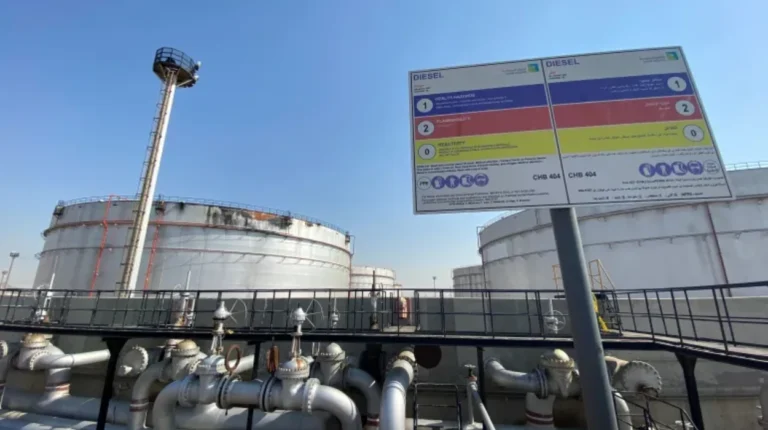
St. Petersburg, the second largest city in Russia and also its former imperial capital, has become a special point of vulnerability in the ongoing Ukrainian drone strikes, with this attack being yet another example of the constant pressure on this strategically significant metropolitan area. This attack came shortly after the successful hit by Ukrainian drones at St. Petersburg’s oil facility on June 2-3, 2026, thereby proving that Ukraine is able to pierce through Russia’s air defenses to reach its key installations.
According to Russian sources, more than 50 drones have been shot down near the Leningrad region, which surrounds St. Petersburg, during this previous assault by the Ukrainian military force. This recurring attempt on the part of Ukraine to strike the economically and symbolically important regions outside of eastern Ukraine demonstrates their strategy in this conflict.
The oil terminal strike that occurred earlier this week flew more than 1,000 kilometers to reach its target in Russia’s second-largest city, according to Ukrainian President Volodymyr Zelenskyy’s social media statements. This extraordinary range demonstrates Ukraine’s deployment of long-range drone systems capable of reaching deep into Russian territory, bypassing traditional frontline defenses and striking high-value targets with precision.
Crimea and Maritime Zones Under Drone Pressure
Crimea and the areas over the Azov and Black seas being included in Russia’s report about drone interceptions is an indication of Ukraine’s refusal to accept the annexation of the strategically important peninsula by Russia and also its willingness to undertake military activities in areas of dispute. The strategic importance of Crimea and its subsequent annexation by Russia in 2014 means that Ukraine has used the peninsula as a key target of missile and drone strikes.
Drone interceptions over the Azov and Black seas mean that Ukraine is trying to launch strikes against Russia’s naval forces, port facilities, and shipping infrastructure which are used in supporting Russian military forces stationed in eastern Ukraine.
The maritime dimension of this attack adds complexity to Russia’s defensive challenge, as air defense systems must operate over both land and water surfaces while maintaining coverage across multiple geographic zones. This multi-domain threat requires Russia to deploy air defense resources across traditional land borders and maritime boundaries, stretching defensive capabilities across vast geographic areas.
Economic Forum Timing Raises Strategic Questions
It has made people more aware of the motives behind timing the attack with the completion of the Russia-Africa Economic Forum. The three-day-long economic forum saw participation from leaders, corporate personalities, and diplomats, who visited Moscow to discuss matters pertaining to the trading and political partnership between Russia and Africa.
According to military analysts, Ukraine might have timed its strike with the departure of foreign dignitaries to show off their ability to disrupt such diplomatic events in Russia’s backyard and to display military might in Russia’s home territory. Ukraine’s motive behind doing so could be an attempt to spoil the outcome of the Russia-Africa Economic Forum.
However, some analysts argue the timing may be coincidental, with Ukraine simply executing a pre-planned operation that coincided with the forum’s conclusion. The drone campaign against Russia has been ongoing for months, with regularNightly attacks targeting energy infrastructure, military facilities, and symbolic locations across Russian territory.
Historical Context of Russia’s Drone Interception Claims
The defense ministry of Russia has always announced the interception of drones by Ukraine, although the number of interceptions fluctuates greatly from night to night, depending on how many drones Ukraine employs. Based on historical data of Russia’s defense ministry announcements, the numbers of intercepted drones grow bigger over time, and several of them involve huge numbers of drones involved in the attack.
As for July 26, 2025, Russian air defenses shot down 291 fixed-wing drones from Ukraine in a single night attack, which is one of the largest attacks intercepted by Russia in one night. On November 2025, Russian defenses downed 98 Ukrainian drones overnight in Russian territories, whereas in December 2025, 77 Ukrainian drones were eliminated in overnight operations.
These historical figures provide context for Russia’s current claim of “hundreds” of drones, suggesting this attack may represent one of the largest coordinated drone operations Ukraine has launched against Russian territory. The variation in numbers across different nights reflects the fluctuating intensity of Ukraine’s drone campaign and Russia’s defensive response capabilities.
Ukraine’s Cross-Border Drone Campaign Strategy
The ongoing attack by Ukraine on Russian soil through drones signifies an emerging trend in warfare where battles have been moved from the frontline into deep territory, targeting vital installations and facilities in order to destabilize and demoralize the enemy. The aim of this new offensive move is to weaken Russia’s oil and gas installations and supply chain and, at the same time, show how far the reach of Ukraine’s power projection capability extends.
Since the start of the conflict, almost four years ago, both parties have carried out cross-border air attacks. The Ukrainian use of drones attacks oil refineries, electrical generation stations, military bases, among other locations.
This strategic approach allows Ukraine to maintain offensive pressure despite facing challenges on the traditional battlefield in eastern Ukraine. By targeting Russian territory far from the combat zone, Ukraine demonstrates its capability to strike at Russia’s homeland while avoiding direct confrontation with Russia’s superior conventional military forces.
Air Defense Challenges Across Multiple Geographic Zones
The Russian assertion that it is intercepting drones in 16 separate regions of the country emphasizes the massive problem that Russia faces in its efforts to defend such a huge space against an attack on the country using drone technology. These intercepts in different regions spread over a very wide space from St. Petersburg located in northwestern Russia to Crimea in southern Russia, as well as covering maritime areas, necessitates that Russia employ air defense assets throughout these large spaces.
The involvement of several regions of the country in the drone attacks is indicative of the advanced planning done by Ukraine for conducting the attack in such a manner that Russia’s air defense is overwhelmed on all sides including land, cities, and maritime boundaries.
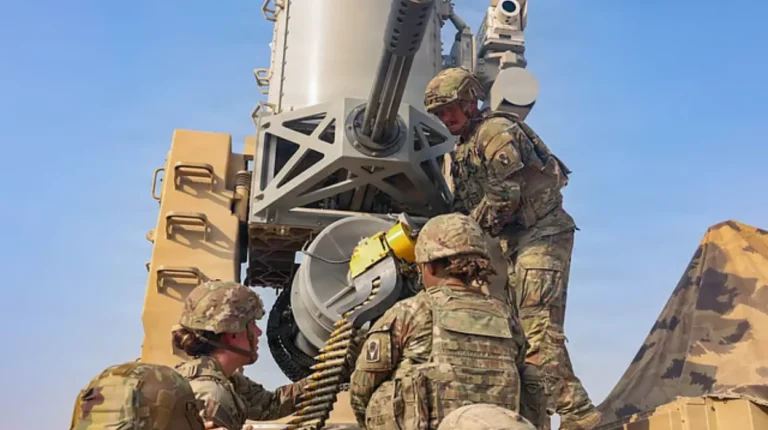
Russia’s air defense systems, including the Pantsir, Buk, and S-400 missile systems, must operate in coordination to create overlapping coverage zones that can intercept drones at various altitudes and distances. The sheer number of drones involved in this attack, claimed by Russia to be “hundreds,” tests the capacity of even Russia’s extensive air defense network.
International Implications and Regional Security Concerns
Given the scale and extent of this operation carried out by unmanned aerial vehicles, there is reason to be concerned regarding any regional security impact and the possibility of escalating conflict between Russia and Ukraine. Given that Ukraine has attacked several regions, especially St. Petersburg, which is an international city hosting diplomats from other countries, and the Crimean peninsula, which is recognized as part of Ukraine by all other nations, it shows that Ukraine is prepared to operate in politically sensitive locations.
In addition, due to the timing of this strike when Russia was hosting an international economic forum with Africa countries, there is a possibility that the diplomatic relations that Russia is trying to build with African countries will suffer.
Regional security analysts note that continued drone attacks on Russian territory may encourage other nations to reassess their position on the conflict, particularly if attacks escalate in frequency or target additional symbolic locations. The sustained drone campaign demonstrates Ukraine’s determination to maintain offensive pressure regardless of battlefield developments in eastern Ukraine.
Future Outlook for Drone Warfare in the Conflict
From the magnitude of this offensive with claims by Russia of hundreds of drones shot down within 16 regions, it is clear that Ukraine will increase its escalation of its drone offensive against Russian territory. It seems like both countries will continue with cross-border air strikes as the almost four-year war goes on without any solution emerging from the battlegrounds.
It is anticipated that Ukraine will continue to launch drone attacks on Russian territory through targets including energy facilities, military bases, and symbolic sites within the country, while Russia continues building its air defenses to counter this threat from the sky.
The future trajectory of drone warfare in this conflict will depend on technological developments, resource availability, and strategic decisions by both Moscow and Kyiv regarding the scope and intensity of cross-border attacks. As drone technology continues advancing and production capacity increases, both sides are likely to maintain or escalate their drone operations against each other’s territory.