The Sahel Surge has transformed the security landscape across parts of West Africa, with recent assessments indicating that the region now accounts for a majority of global terrorism-related deaths. Countries including Mali, Burkina Faso, and Niger have witnessed a sharp rise in attacks since 2019, a trend that intensified through 2024 and continued shaping policy debates during 2025. Security analysts attribute this shift to expanding militant networks and weakening state authority across vast rural territories.
The Sahel’s geographic and political complexity has allowed insurgent groups to operate across borders with relative ease. Regional forces face logistical constraints, and communities in remote areas often remain beyond consistent state protection. These conditions have allowed extremist organizations to entrench themselves while reshaping the nature of modern insurgency in Africa.
Expansion Of Armed Groups
Militant groups such as Jama’at Nusrat al‑Islam wal‑Muslimin and Islamic State in the Greater Sahara have expanded their reach by exploiting local grievances and governance gaps. Their operations increasingly combine guerrilla tactics with attempts to control rural economies and transportation routes.
By 2025, regional security briefings indicated that these groups were coordinating attacks across multiple countries rather than operating as isolated insurgencies. This shift marked a structural evolution in the Sahel conflict, making it more difficult for national armies to respond effectively.
Structural Drivers Behind The Rise
Several underlying dynamics explain the acceleration of violence associated with the Sahel Surge. State fragility, climate stress affecting agricultural livelihoods, and unresolved ethnic tensions have created environments where extremist recruitment becomes easier. Analysts also point to porous borders that allow fighters, weapons, and illicit financing networks to move across territories.
Local officials in affected provinces frequently report that armed groups position themselves as alternative authorities, offering security or dispute resolution in areas where government presence is minimal.
Civilian Impact And Displacement
Civilian populations continue to absorb the greatest impact of the Sahel Surge. Markets, rural settlements, and transportation corridors have increasingly become targets for attacks intended to undermine state legitimacy. Displacement across the region reached millions of people by the end of 2024, and humanitarian agencies in 2025 warned that the instability was stretching relief capacity across West Africa.
The social consequences extend beyond immediate casualties, as displaced populations face economic disruption and diminished access to education and healthcare. Such conditions can reinforce cycles of vulnerability that militant groups exploit.
Africa’s Growing Share Of Global Terrorism Metrics
The Sahel Surge has contributed to a broader shift in global terrorism patterns, with Sub-Saharan Africa now representing a larger share of worldwide fatalities linked to extremist violence. Security research institutions and multilateral organizations highlighted this shift in their 2025 assessments, noting that conflict intensity in the Sahel has surpassed levels seen in several traditional hotspots.
This transformation signals a geographic rebalancing of global security concerns. For decades, terrorism debates focused primarily on the Middle East and South Asia, but recent data indicate that African conflict zones are becoming central to international counterterrorism discussions.
Changing Regional Comparisons
While militant activity continues in areas such as Somalia and the Horn of Africa, the Sahel’s trajectory stands out due to the rapid increase in both frequency and lethality of attacks. Groups in the region have adapted tactics ranging from improvised explosive devices to coordinated assaults on military installations.
The comparison highlights how local political instability can rapidly alter global security metrics, particularly when insurgencies operate across several countries simultaneously.
Influence Of Cross-Border Conflict Economies
Another dimension of the Sahel Surge involves illicit economies linked to smuggling routes, resource extraction, and taxation imposed by armed groups. These activities generate revenue streams that help sustain operations even during periods of military pressure.
Security analysts note that the persistence of such networks complicates purely military responses, as the underlying financial structures remain resilient.
Early Signals From 2025
Reports from early 2025 indicated that attacks were continuing despite intensified military operations in parts of the Sahel. International observers warned that the trajectory could worsen if governance and development challenges remain unresolved. These warnings have prompted renewed debate among policymakers regarding how to balance counterterrorism operations with long-term stabilization strategies.
African Union Counterterrorism Strategy Under Scrutiny
The scale of the Sahel Surge has prompted renewed examination of the response coordinated by the African Union. Regional missions and joint task forces have been deployed over the past decade, yet progress has been uneven, particularly in rural areas where militant groups maintain mobility.
Officials within the organization have acknowledged that current strategies require adjustment. Statements from leadership during 2024 and 2025 emphasized the need to strengthen prevention measures alongside military operations.
Operational Constraints On Regional Forces
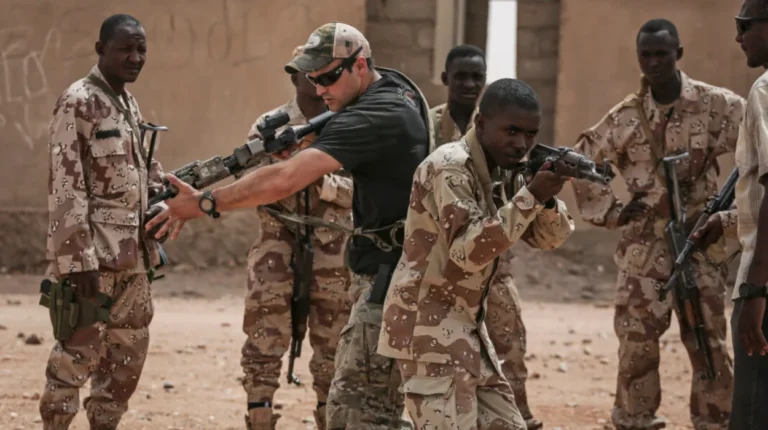
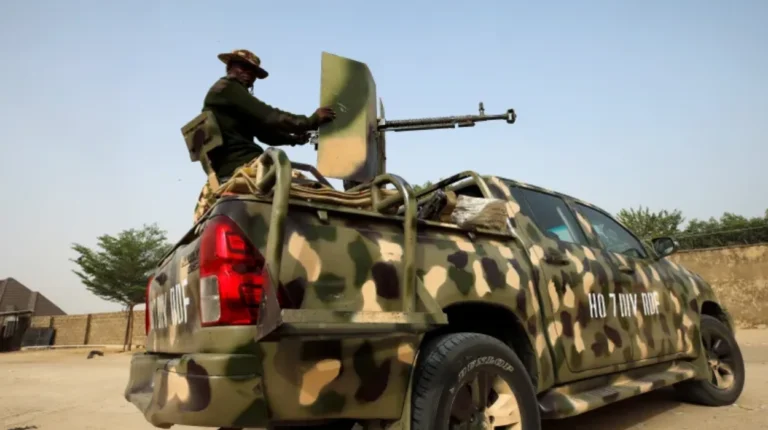
Joint military initiatives in the Sahel have faced logistical hurdles ranging from funding gaps to equipment shortages. Some defense analysts estimate that operational readiness levels remain below what is necessary to sustain prolonged campaigns against mobile insurgent groups.
These constraints have complicated coordination among participating states and external partners that support regional security missions.
Legal And Financial Oversight Challenges
Another issue frequently raised in policy discussions involves the enforcement of legal frameworks targeting terrorism financing. Illicit financial networks continue to operate across borders, and several states have struggled to fully implement regional guidelines intended to curb funding streams linked to militant groups.
Experts argue that strengthening oversight mechanisms is critical to weakening the operational capacity of extremist networks.
Political Fragmentation And Emerging Alliances
Recent political developments have also influenced counterterrorism coordination. The creation of the Alliance of Sahel States introduced a new regional framework emphasizing sovereignty and security cooperation among member states.
While the alliance seeks to address immediate threats, its emergence has complicated broader continental coordination, requiring diplomatic engagement to align strategies.
Strategic Pathways For Addressing The Sahel Surge
The Sahel Surge has intensified debate about how security responses should evolve in a region experiencing overlapping crises. Analysts increasingly argue that counterterrorism policies must incorporate governance reforms, economic initiatives, and local engagement alongside military operations.
During discussions in 2025, several policy proposals emphasized strengthening early-warning systems and expanding community-based security initiatives that involve local leaders and civil society organizations.
Governance And Local Stability Initiatives
Programs focused on restoring administrative presence in rural areas are considered essential to limiting extremist influence. Development agencies working in the Sahel have begun exploring projects that combine infrastructure investment with public services designed to rebuild trust between communities and national governments.
These initiatives reflect the recognition that military victories alone rarely produce lasting stability.
Technology And Intelligence Integration
Another emerging trend involves the use of surveillance technology, satellite monitoring, and data-driven intelligence sharing among regional partners. Security analysts argue that improved coordination can enhance early detection of militant movements across borders.
Such efforts require sustained funding and institutional collaboration across multiple governments and international organizations.
Economic Development And Youth Engagement
Long-term stabilization strategies increasingly focus on employment opportunities for young populations across the Sahel. Youth unemployment has been cited repeatedly as a factor that can facilitate recruitment by armed groups.
Economic initiatives linked to education, agriculture, and local entrepreneurship are therefore gaining attention as potential tools for reducing the appeal of extremist networks.
A Region At The Center Of Global Counterterrorism Debates
The Sahel Surge has positioned West Africa as a focal point in global security discussions, challenging policymakers to rethink traditional counterterrorism frameworks. Developments observed during 2025 underscore how regional instability can reshape international priorities, drawing attention from governments, development agencies, and research institutions alike.
As strategies evolve, the effectiveness of regional cooperation, governance reform, and targeted security measures will likely determine whether the Sahel’s trajectory stabilizes or continues to influence global terrorism patterns. The direction taken in the coming years may reveal whether the region’s current surge represents a transitional phase in conflict dynamics or the beginning of a more enduring shift in the geography of extremist violence.