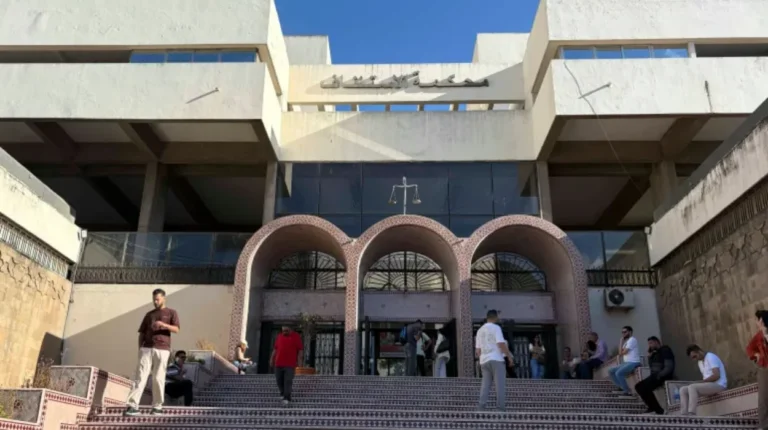
Morocco’s security services captured a suspect who was preparing to carry out terrorist plans to undermine the country’s security and stability. A statement from the General Directorate of National Security (DGSN) expressed the arrest operation took place in partnership with the General Directorate of Territorial Surveillance (DGST). DGSN recognised the suspect as a 19-year-old from Ksar Amalou in the Midelt Province.
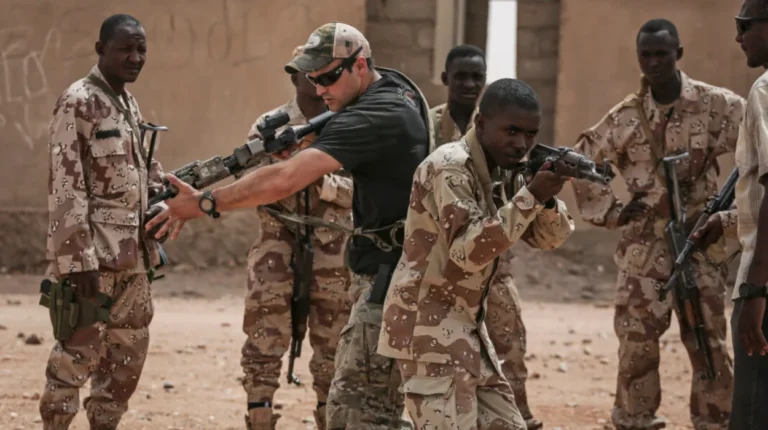
Moroccan law enforcement under the coordination of the Ministry of Interior targeted and arrests individuals in CT operations, effectively disassembling cells in the early stages of planning aggression against a range of targets, including public buildings, famous figures, government security service buildings, and (as reported in local press) foreigners.
“The suspect… had voiced his intention to carry out terrorist plans that would severely harm public safety and order,”
DGSN stated, noting that he is in custody pending judicial analyses to shed light on all his extremist activities. The investigation also aims to determine possible connections with different terrorist organizations. This detention comes as Morocco continues to maintain its standing as a model nation for its widely praised approach to anti-terrorism. The North African country’s security services carried out several processes throughout the years, arresting dozens of suspects implicated in terror organizations — especially ISIS.
Principal security and government officials have long emphasized the significance of strengthening cooperation and shared responsibility to manage lingering terrorism-related threats at the local and international levels. Morocco’s Minister of Foreign Affairs Nasser Bourita emphasized the significance of vigilance against terrorism, stating that 60% of the world’s terrorist targets have been in sub-Saharan Africa and West Africa.
The Government of Morocco persisted in its comprehensive strategy, which includes vigilant security measures, regional and global cooperation, and counter-radicalization policies. In 2022, Morocco’s CT efforts persisted to mitigate the risk of terrorism. The country continued to meet sporadic threats from small, independent terrorist cells, the majority of which claimed to be motivated by or affiliated with ISIS. Morocco hosted the 2022 ministerial conference of the Global Coalition to Defeat ISIS and called the Counter-ISIS Finance and Africa Focus Groups on the margins of the ministerial. Morocco is also a constituent of the Global Counter-Terrorism Forum.
FATF also reported that Morocco made efforts toward improving its Anti-Money Laundering and Countering Financing of Terrorism (AML/CFT) administration, including by providing additional activity and awareness-raising to financial institutions and designated nonfinancial businesses and professions (DNFPBs) to notice and file suspicious transactions, licensing and observing the registration of DNFBPs, and addressing technical deficiencies linked to targeted financial sanctions.